
Thailand Travel Guide
Thailand is one of those destinations where almost every type of traveller can find something worth remembering. You can start your morning wandering through centuries-old temples, spend the afternoon swimming in turquoise water, eat an incredible plate of street food for a few dollars, and finish the evening surrounded by Bangkok’s bright city lights. That variety is one of the biggest reasons Thailand continues to attract travellers from around the world. In 2025, Thailand welcomed approximately 32.97 million international visitors, while Indian visitors alone reached about 2.49 million, making India one of Thailand’s largest international source markets.
This Thailand travel guide is designed to help you plan that experience without making the process unnecessarily complicated. Whether you are planning your first international holiday, a romantic trip, a backpacking adventure, a family vacation or simply a relaxing beach escape, Thailand gives you plenty of choices. The trick is knowing where to go, when to visit, how to move around and how to balance famous attractions with quieter experiences. Think of Thailand like a large buffet: there is an enormous amount available, but you will enjoy it much more if you choose carefully rather than trying to put everything on your plate.
Why Thailand Should Be on Your Travel List
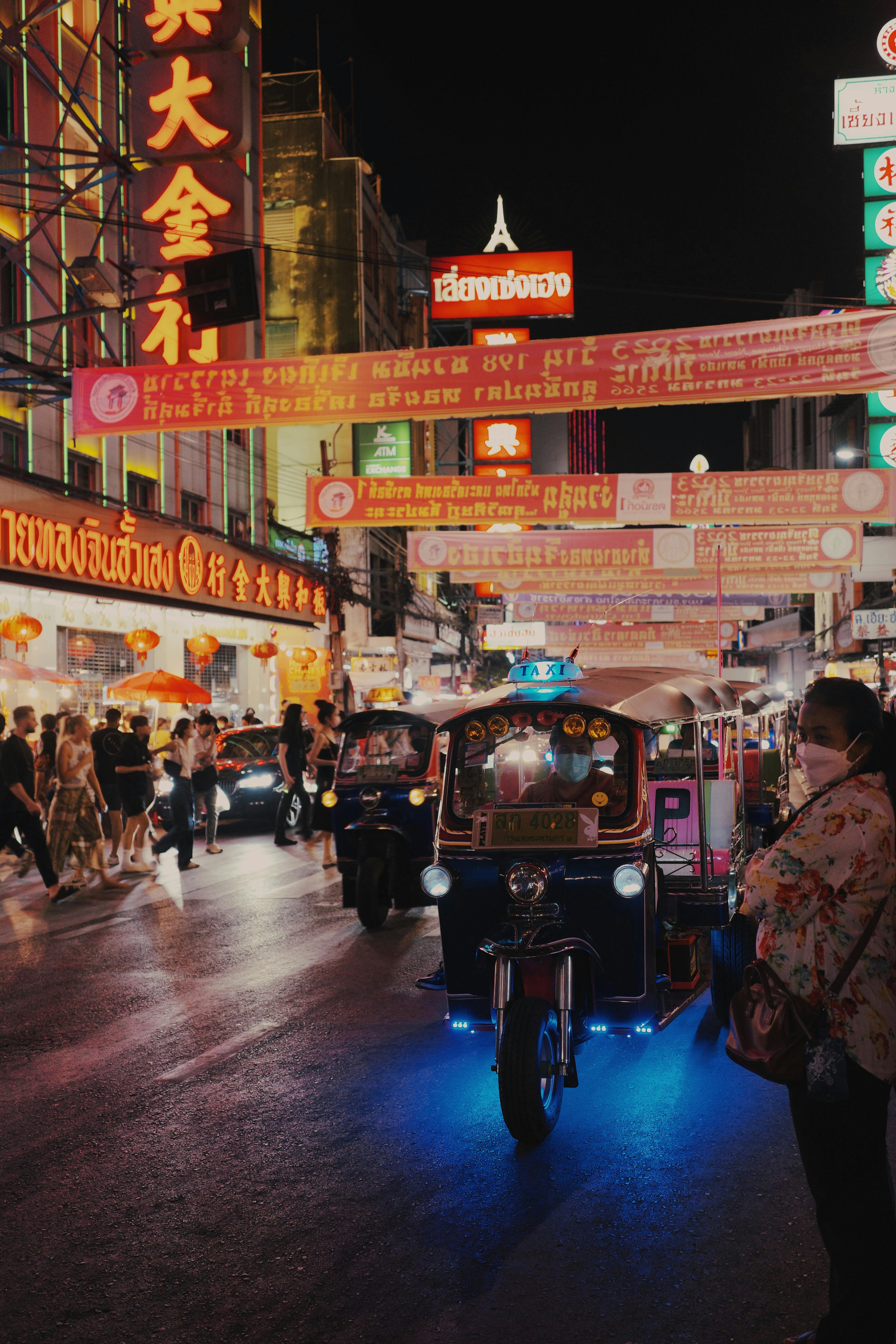
Thailand works particularly well for travellers who want variety without constantly changing countries. Bangkok gives you a huge metropolitan experience, Chiang Mai brings mountains and cultural heritage, Phuket offers beaches and nightlife, while Krabi and the surrounding islands provide dramatic limestone cliffs and beautiful coastal scenery. You can combine several of these destinations in a single trip and create a holiday that feels completely different from one day to the next. That flexibility is one of Thailand’s greatest strengths.
The country is also attractive because experiences can be adapted to different budgets. A backpacker can stay in hostels, use public transport and eat at local markets, while another traveller can choose boutique hotels, private transfers and luxury resorts. You do not necessarily need to choose between comfort and adventure either. A well-planned trip can include affordable street food one day and a memorable restaurant or resort experience the next.
Thailand’s biggest advantage is the combination of culture, nature, food and entertainment in a relatively accessible destination. The country is famous for Buddhist temples, tropical beaches, floating markets, night markets, Thai massage, traditional festivals and one of Southeast Asia’s most recognizable cuisines. Yet Thailand is not simply a collection of tourist attractions. The experience often comes from ordinary moments: sitting in a small café during a rain shower, watching a long-tail boat move across the sea, exploring a market after sunset or discovering a quiet street away from the main tourist area.
Another reason to consider Thailand is the variety of travel styles available. Couples can focus on romantic islands and resorts, solo travellers can explore hostels and social neighbourhoods, families can build comfortable itineraries around major attractions, and adventure seekers can add diving, hiking, kayaking or island excursions. You can even build a trip around food alone because every region has its own flavours and specialties.
Best Time to Visit Thailand
Winter / Cool Season
November–February
18°C–32°C
Cool, dry and pleasantSightseeing, beaches, islands, adventure
Summer / Hot Season
March–May
25°C–38°C
Very hot and humidBeaches, islands, water activities, Songkran
Monsoon / Rainy Season
June–October
24°C–33°C
Humid with frequent showersBudget trips, fewer crowds, greenery
Autumn / Transition
October–November
23°C–32°C
Rain gradually decreasesSightseeing, beaches, photography
Best Places to Visit in Thailand
Thailand has far more destinations than can realistically fit into a single holiday. The official tourism platform divides the country into regions including the North, Central, East, Northeast and South, while major tourist hubs such as Bangkok, Chiang Mai and Phuket remain among the most recognizable choices for first-time visitors.
The smartest approach is to choose destinations based on the type of holiday you want rather than simply collecting famous names. A seven-day trip should not try to cover six cities and four islands. You will spend more time packing bags and travelling than actually enjoying Thailand. Instead, choose two or three destinations that complement one another.
BANGKOK
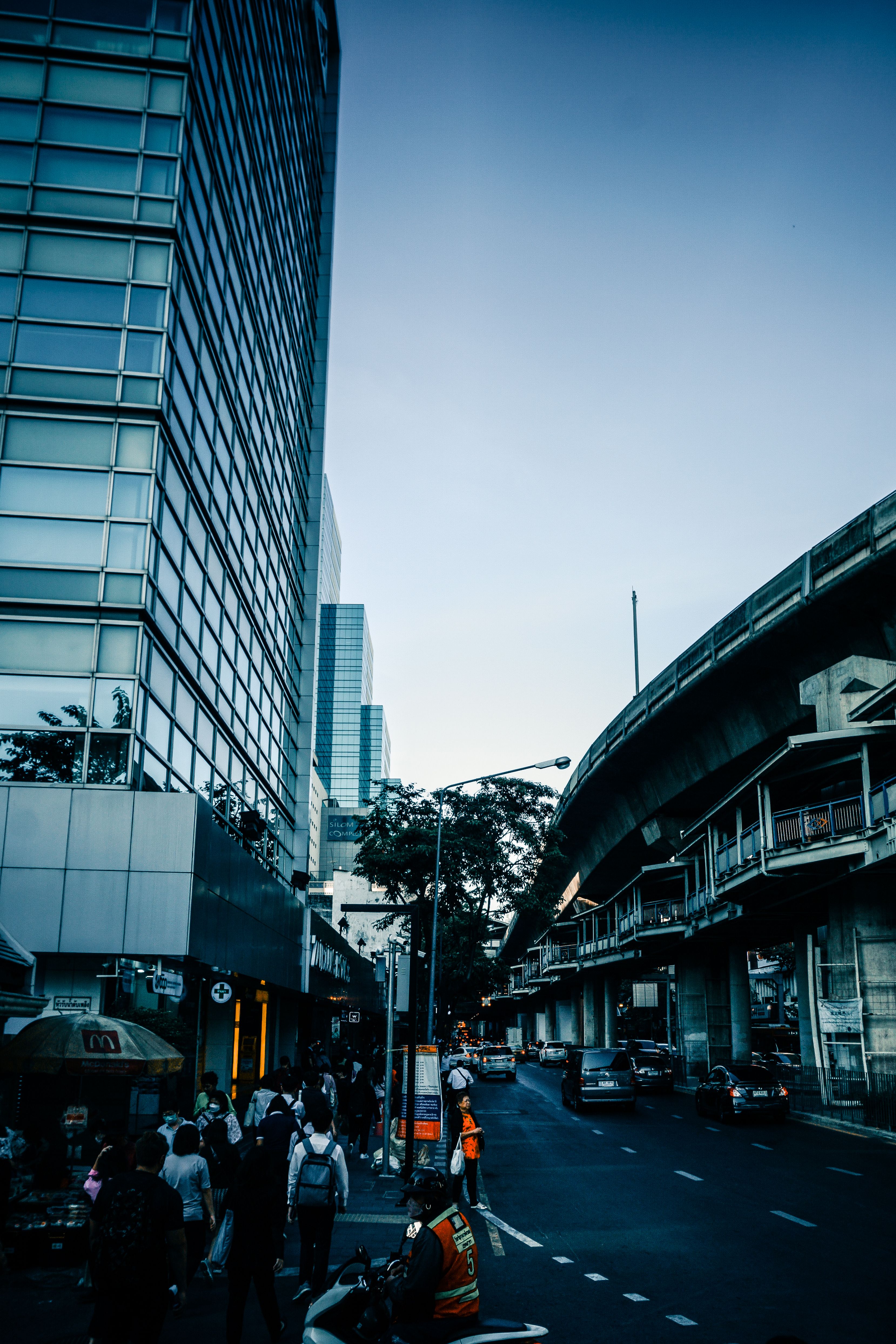
Bangkok is usually the natural starting point for first-time visitors. The Thai capital is energetic, crowded, colourful and occasionally chaotic, but that is precisely what makes it memorable. One moment you may be walking through a historic temple complex and the next you can be surrounded by shopping malls, rooftop restaurants, street-food stalls and modern skyscrapers.
For cultural sightseeing, consider visiting Wat Arun, Wat Pho and the Grand Palace. Markets and neighbourhoods offer another side of Bangkok, while areas such as Sukhumvit provide restaurants, shopping and nightlife. The city also has an efficient combination of modern public transportation and traditional options, including BTS Skytrain, MRT, taxis and tuk-tuks. The Tourism Authority of Thailand specifically lists BTS and MRT alongside local options such as tuk-tuks and songthaews as ways travellers can navigate the country.
Bangkok is also an excellent food destination. You can spend very little on a delicious street-food meal or considerably more at a sophisticated restaurant. Do not plan every minute here. Some of Bangkok’s best moments happen when you simply walk around, discover a local café or stop at a market because something smells too good to ignore.
Phuket
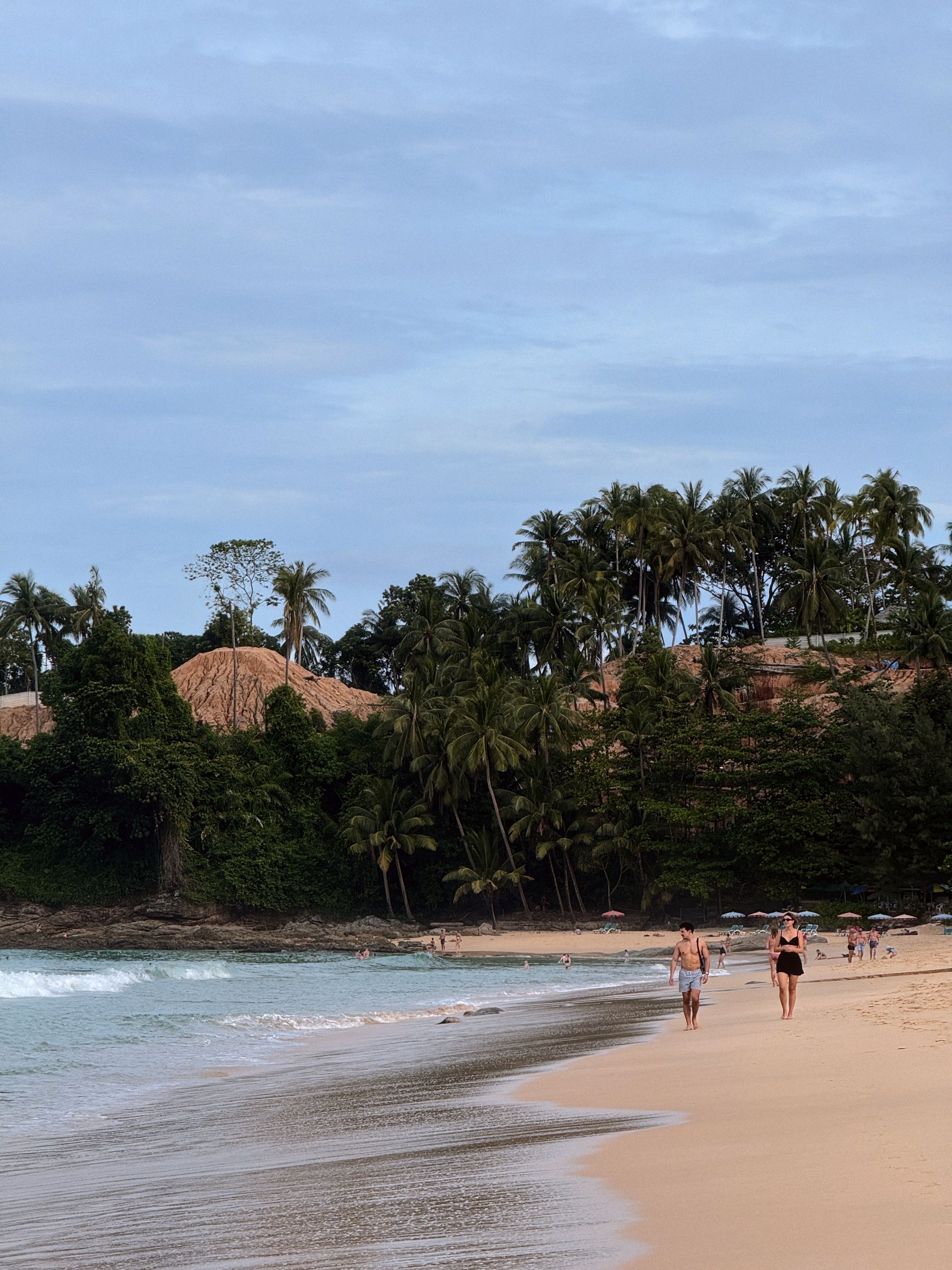
Phuket is one of Thailand’s most famous beach destinations and a popular choice for travellers looking for a combination of beaches, resorts, restaurants, excursions and nightlife. It is considerably more than a place to sit beside a swimming pool. Depending on where you stay, you can use Phuket as a base for boat trips, island tours, diving, snorkeling and coastal exploration.
Patong is known for its energetic nightlife and busy tourist atmosphere, while other parts of Phuket can offer a quieter experience. This makes choosing your accommodation area important. If nightlife is your priority, a lively neighbourhood may suit you; if relaxation matters more, look toward quieter beaches.
Phuket can also work as the starting point for exploring nearby islands and coastal destinations. Just remember that sea conditions and excursions can be affected by weather, so it is sensible to keep some flexibility in your schedule.
Chiang Mai
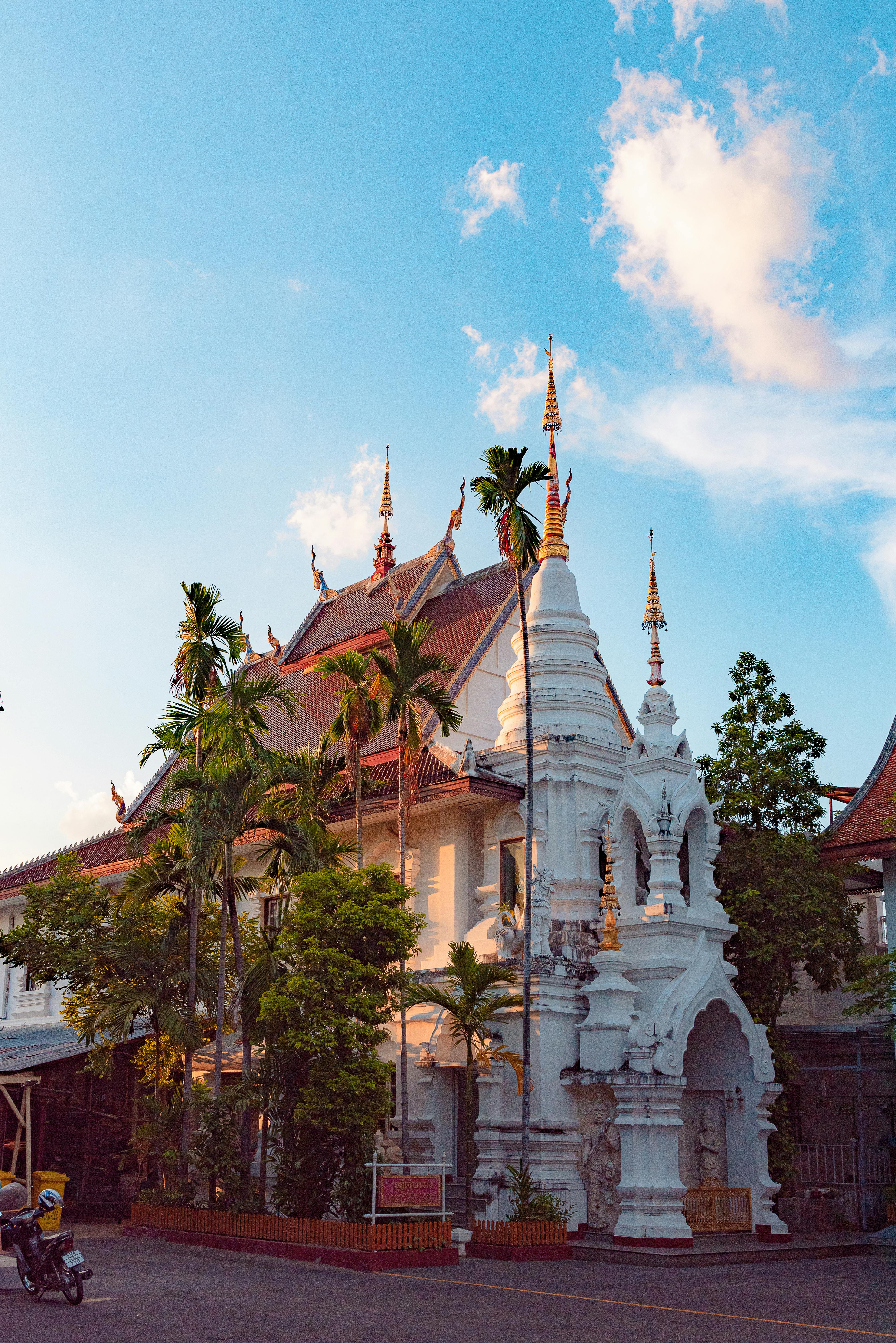
If Bangkok feels like Thailand’s fast-moving heartbeat, Chiang Mai can feel like its calmer northern soul. Surrounded by mountains and known for its cultural attractions, Chiang Mai is a strong choice for travellers interested in temples, local food, markets, nature and a slower pace.
The Old City is particularly enjoyable to explore on foot. You can visit historic temples, browse markets, stop for coffee and sample northern Thai dishes. Chiang Mai is also a useful base for exploring surrounding mountain areas and villages, depending on the season and your interests.
For travellers who want more than beaches, Chiang Mai can completely change the character of a Thailand itinerary. Combining Bangkok with Chiang Mai and then adding a southern beach destination creates a balanced trip containing city life, culture, mountains and sea.
Krabi and the Islands
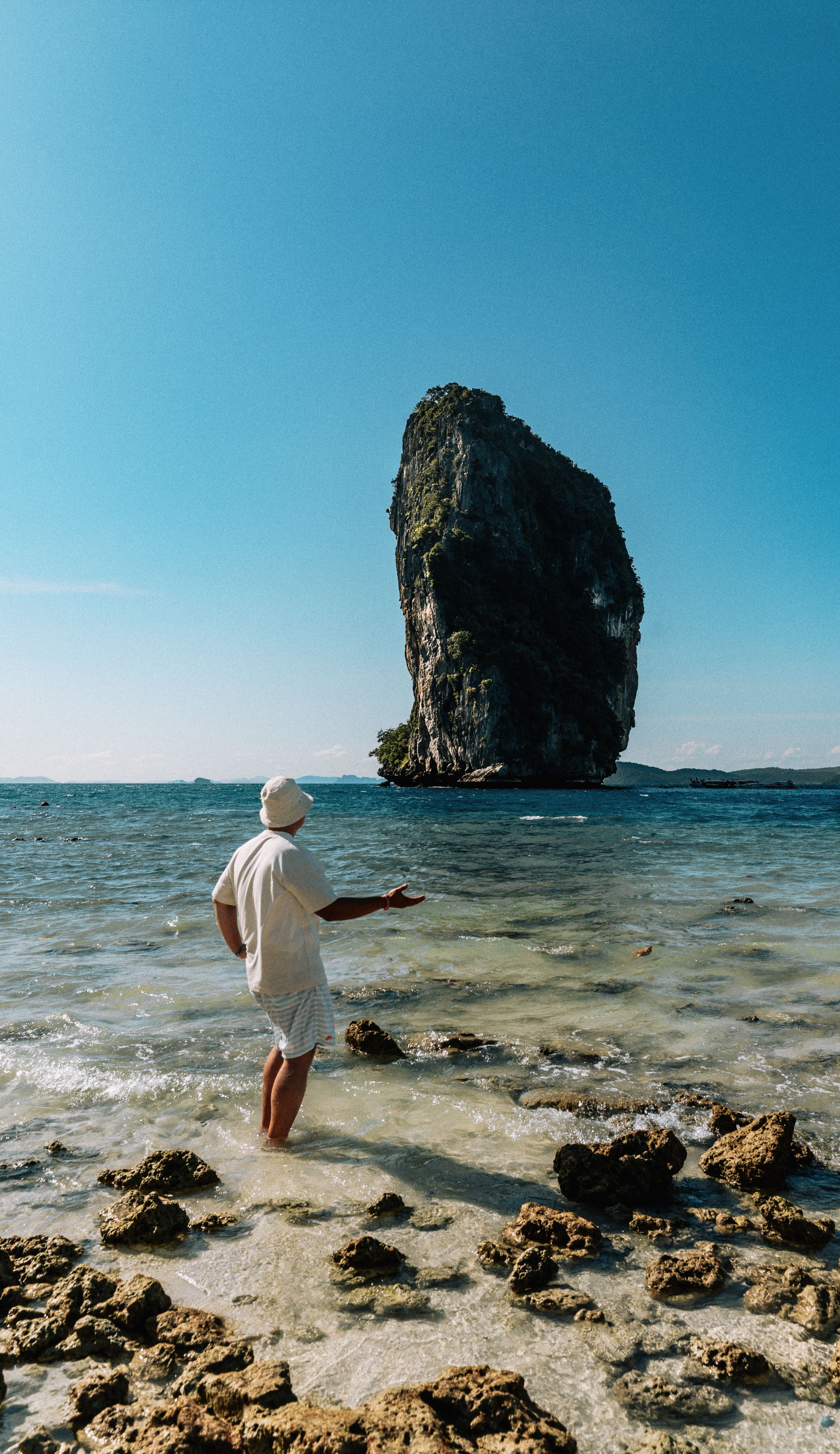
Krabi is another excellent choice for travellers who want dramatic scenery. The region is known for limestone cliffs, beaches, islands and opportunities for boat trips and outdoor activities. Ao Nang is a popular base because it provides access to many excursions while offering restaurants and accommodation.
Nearby islands and coastal areas can be explored through organized tours or private boat arrangements. Activities may include snorkeling, kayaking, swimming and simply enjoying the scenery. If your dream image of Thailand includes towering limestone formations rising from clear blue-green water, this part of the country deserves serious consideration.
The important thing is not to schedule too many island excursions back-to-back. Travel days can become tiring, and the best beach holidays usually include periods when you have nowhere you need to be.
Thailand Travel Costs and Budget
Thailand is often considered a relatively affordable international destination, but your total cost can vary dramatically depending on your travel style. Accommodation, flights, island transfers and activities can quickly increase the budget, while street food, public transportation and simple accommodation can keep costs under control.
| Travel style | Accommodation | Food | Transport | Overall approach |
|---|---|---|---|---|
| Budget | Hostels/basic hotels | Street food/local restaurants | Buses, trains, shared transport | Backpacker-friendly |
| Mid-range | Comfortable hotels | Mix of local and restaurants | Flights + taxis/public transport | Comfortable and flexible |
| Luxury | Resorts/boutique hotels | Fine dining + experiences | Private transfers/flights | Comfort-focused |
A budget traveller might spend considerably less per day than someone staying at beachfront resorts and booking private tours. That is why copying someone else’s Thailand budget rarely works perfectly. Instead, identify your non-negotiables first. If accommodation matters most, save money on food and local transportation. If food is your priority, choose a simpler hotel and spend more on restaurants.
Flights between regions can also affect the budget. Thailand’s domestic airline network makes flying convenient, particularly when travelling long distances. A cheaper overnight train or bus can save money, while a short domestic flight can save valuable holiday time. The right decision depends on whether you have more money or more time available. Official Thai travel guidance notes that domestic flights connect major cities and islands, while trains and buses provide additional options for travelling around the country.
Thailand Travel Tips
- Check visa requirements: Verify the latest visa and entry requirements before booking your flight.
- Carry Thai Baht: Keep some local currency for street food, small shops, taxis and markets.
- Get a local SIM/eSIM: Reliable internet makes navigation, bookings and communication much easier.
- Dress appropriately at temples: Cover your shoulders and knees when visiting religious sites.
- Respect local customs: Remove your shoes when required and behave respectfully at temples and sacred places.
- Stay hydrated: Thailand can be hot and humid, so carry a reusable water bottle.
- Use sunscreen: Apply sunscreen regularly, especially when spending time at beaches or outdoors.
- Book popular accommodation early: Phuket, Krabi, Bangkok and other major destinations can become busy during peak season.
- Use reputable transportation: Use licensed taxis, established ride-hailing services, trains or trusted tour operators.
- Agree on tuk-tuk fares beforehand: Confirm the price before starting your journey.
- Try local food: Explore Thai street food and local restaurants instead of eating only at tourist-oriented places.
- Be careful with spicy food: Thai dishes can be much spicier than expected, so ask about the spice level.
- Keep copies of important documents: Store digital and physical copies of your passport, insurance and important bookings.
- Carry a small first-aid kit: Include basic medicines, bandages and essentials for minor problems.
- Check weather conditions: Weather can vary between regions, especially during the rainy season.
- Plan island trips carefully: Check sea and weather conditions before booking boat tours or ferry journeys.
- Avoid overpacking your itinerary: Thailand is large; choose a few destinations rather than trying to visit everything.
- Be cautious with motorbike rentals: Only ride if you are properly licensed, experienced and adequately insured.
- Respect wildlife: Avoid attractions that exploit or mistreat animals.
- Keep emergency numbers handy: Thailand’s tourist police can be contacted at 1155.
- Travel insurance is recommended: Choose coverage that includes medical emergencies and activities you plan to do.
- Carry a power bank: It can be useful during long sightseeing days, especially when using your phone for maps.
- Learn a few Thai phrases: Simple words such as Sawasdee (hello) and Khob Khun (thank you) can make interactions friendlier.
- Keep some flexibility: Don’t schedule every hour—leave time to explore markets, cafés and unexpected places.
FREQUENTLY ASK QUESTIONS(FAQ'S)
A 7-day Thailand trip is enough for a first taste of the country if you focus on two destinations. Ten days allows you to combine Bangkok, Chiang Mai and a beach destination, while two weeks provides more breathing room for exploring multiple regions. Avoid adding too many destinations simply because they look close together on a map.
For many first-time travellers, November to February can be a comfortable period for exploring several popular destinations. However, Thailand’s climate varies by region, and the best time depends on whether you want beaches, mountains, cultural sightseeing or festivals. Always check the weather for your specific destination before booking.
Thailand can be affordable for Indian travellers, particularly when using local restaurants, budget accommodation and public transportation. However, flights, resorts, island transfers and activities can increase the total cost quickly. Your budget will depend more on your travel style than on Thailand itself.
Thailand has approved a 30-day visa exemption for Indian passport holders travelling for tourism, subject to the applicable implementation and current rules. Because Thailand’s visa policy has recently changed, Indian travellers should verify the latest status with the Thai Embassy or official Thai government sources before travelling.
For a first visit, consider combining Bangkok’s temples and markets, Chiang Mai’s culture and mountains, and the beaches of Phuket or Krabi. Add Thai street food, a local market and at least one nature or island experience. The exact combination should depend on your available time and travel style.
Yes, Thailand is generally a popular and welcoming destination for tourists. However, travellers should take normal precautions, protect their belongings, avoid isolated areas at night and use reputable transportation and tour operators.
It is useful to carry some Thai Baht (THB) for street food, local markets, small shops and transportation. Cards and digital payments are accepted at many hotels, restaurants and larger businesses, but cash is still important in many smaller establishments.
Pack light, breathable clothing, comfortable walking shoes, sunscreen, sunglasses, a reusable water bottle, insect repellent and a small umbrella or rain jacket. If you plan to visit temples, carry clothing that covers your shoulders and knees.
Yes. Thailand can be suitable for budget travellers. Staying in hostels or affordable hotels, eating local food, using public transportation and choosing free or low-cost attractions can significantly reduce your expenses.
For a first visit, a combination of Bangkok, Chiang Mai and Phuket or Krabi is a good option. It allows you to experience Thailand’s cities, temples, culture, mountains and beaches without trying to cover too much of the country in one trip.