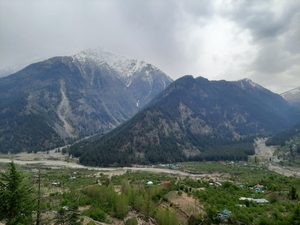
Kashmir is one of those destinations where the answer to “What is the best time to visit Kashmir?” depends less on the calendar and more on the kind of experience you want. Do you dream of walking through colourful tulip gardens, riding a shikara across the calm waters of Dal Lake, exploring green mountain valleys, or standing in the middle of a snowy landscape? Each season creates a completely different Kashmir. The official Incredible India tourism guide describes April to June as one of the most popular periods, with generally cool weather and temperatures ranging around 10°C to 30°C, while October to March brings a distinctly wintry landscape and snowfall opportunities. So, rather than simply picking one month, it makes sense to understand Kashmir season by season and match the weather with your travel plans.
What Is the Best Time to Visit Kashmir?
For most first-time travellers, March to June is an excellent period to explore Kashmir because the valley moves from colourful spring into comfortable summer. Spring is particularly attractive for travellers interested in flowers, gardens and photography, while May and June are better suited to sightseeing, road trips and exploring destinations such as Srinagar, Pahalgam and Sonmarg. Official tourism information identifies April to June as a popular tourist season because of its relatively cool conditions compared with much of India. If snow is your main reason for visiting, however, winter is the stronger choice, particularly for experiences around Gulmarg. In simple terms, April to June is ideal for green valleys and pleasant sightseeing, July to September works for a quieter summer-style trip, October and November are beautiful for autumn landscapes, and December to February are best for snow lovers and winter activities.
Kashmir in Spring: March to April
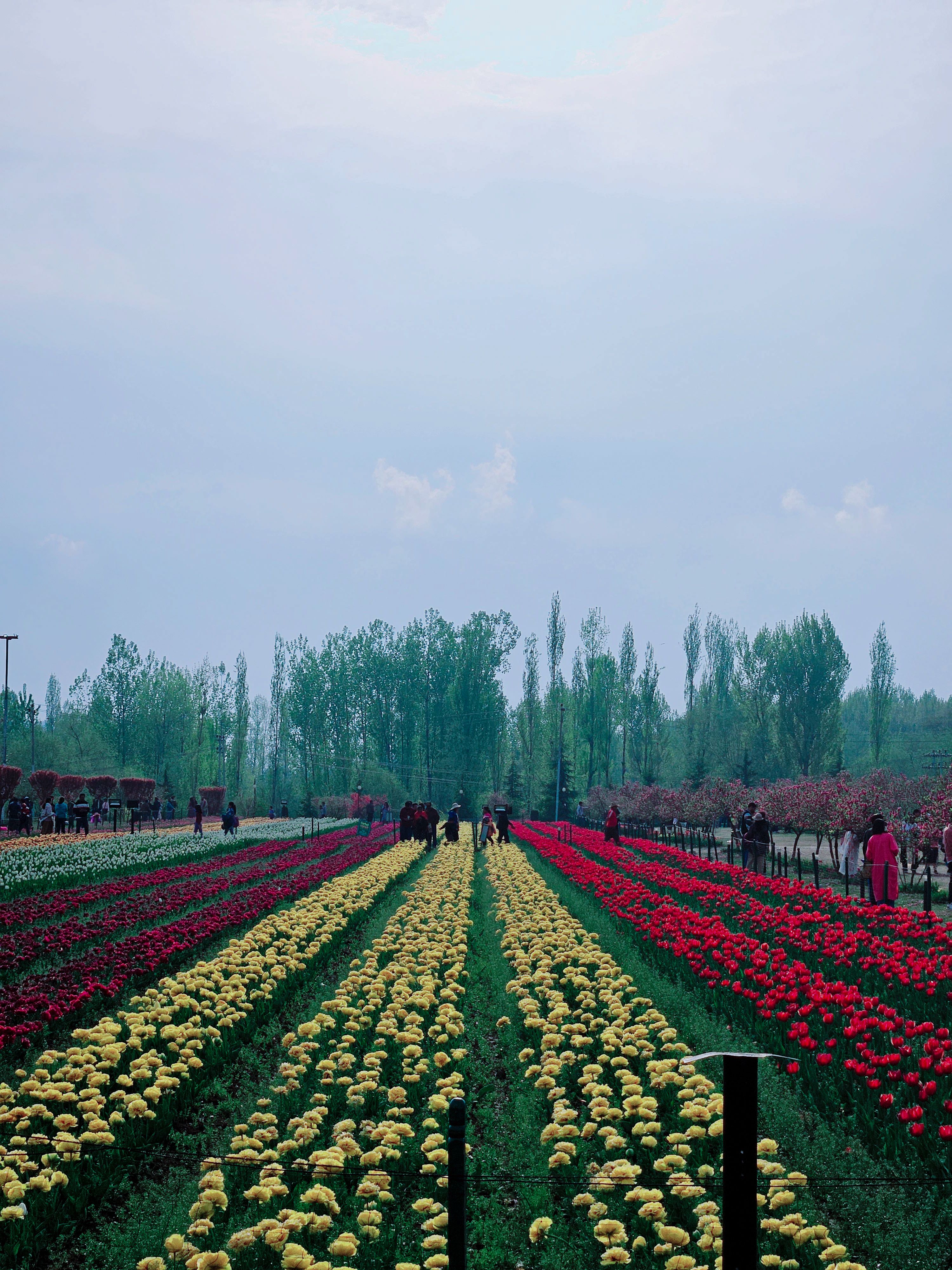
Spring is when Kashmir begins to shake off winter and reveal a softer, more colourful personality. The weather gradually becomes more comfortable, trees begin developing fresh foliage and flowers bring colour to gardens across the valley. One of the biggest attractions during this period is Srinagar’s tulip season, which has become one of the most recognisable spring experiences in Kashmir. Incredible India specifically highlights the Tulip Festival around the first two weeks of April, making this period especially attractive to photographers, couples and travellers who want to see Kashmir covered in flowers rather than snow. Spring is also a wonderful time for visiting Mughal gardens because the combination of flowers, mountain scenery and the waters of Dal Lake creates a classic Kashmir landscape.
Why April Is Popular Among Travellers
April sits in a sweet spot for many travellers because you can experience the freshness of spring without dealing with the deepest cold of winter. Srinagar’s official tourism information lists April temperatures from approximately 3.5°C to 27.1°C, although actual conditions can vary considerably between mornings, afternoons and higher-altitude destinations. The gardens around Srinagar become particularly attractive, and Nishat Bagh changes dramatically as spring flowers begin to appear across its terraces. If your idea of Kashmir involves colourful photographs, relaxed sightseeing, gardens and pleasant daytime temperatures, April deserves serious consideration. Just remember that mountain weather can change quickly, so carrying layers is much smarter than packing only for warm afternoons.
Kashmir in Summer: May to June
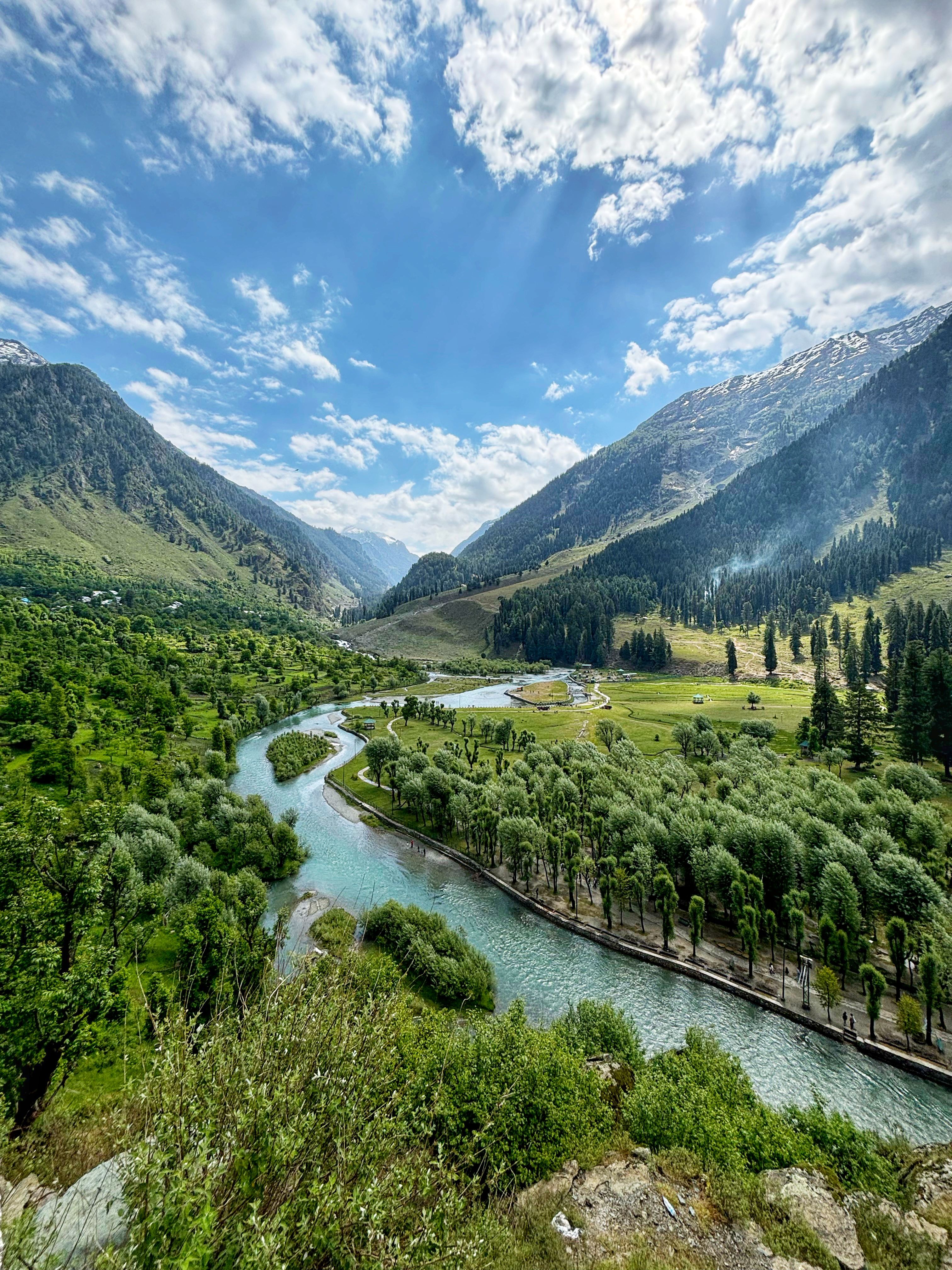
Summer is often considered one of the easiest seasons for a classic Kashmir holiday. While many parts of India become increasingly hot, the Kashmir Valley offers a refreshing mountain environment, green meadows and comfortable conditions for outdoor exploration. Official tourism guidance identifies April through June as a particularly popular period, with temperatures generally ranging from around 10°C to 30°C across the broader travel experience. This makes May and June attractive for travellers who want to combine several destinations in one trip rather than focusing exclusively on snow. You can spend one day exploring Srinagar, another travelling through Pahalgam, and another enjoying the mountain scenery around Sonmarg or Gulmarg.
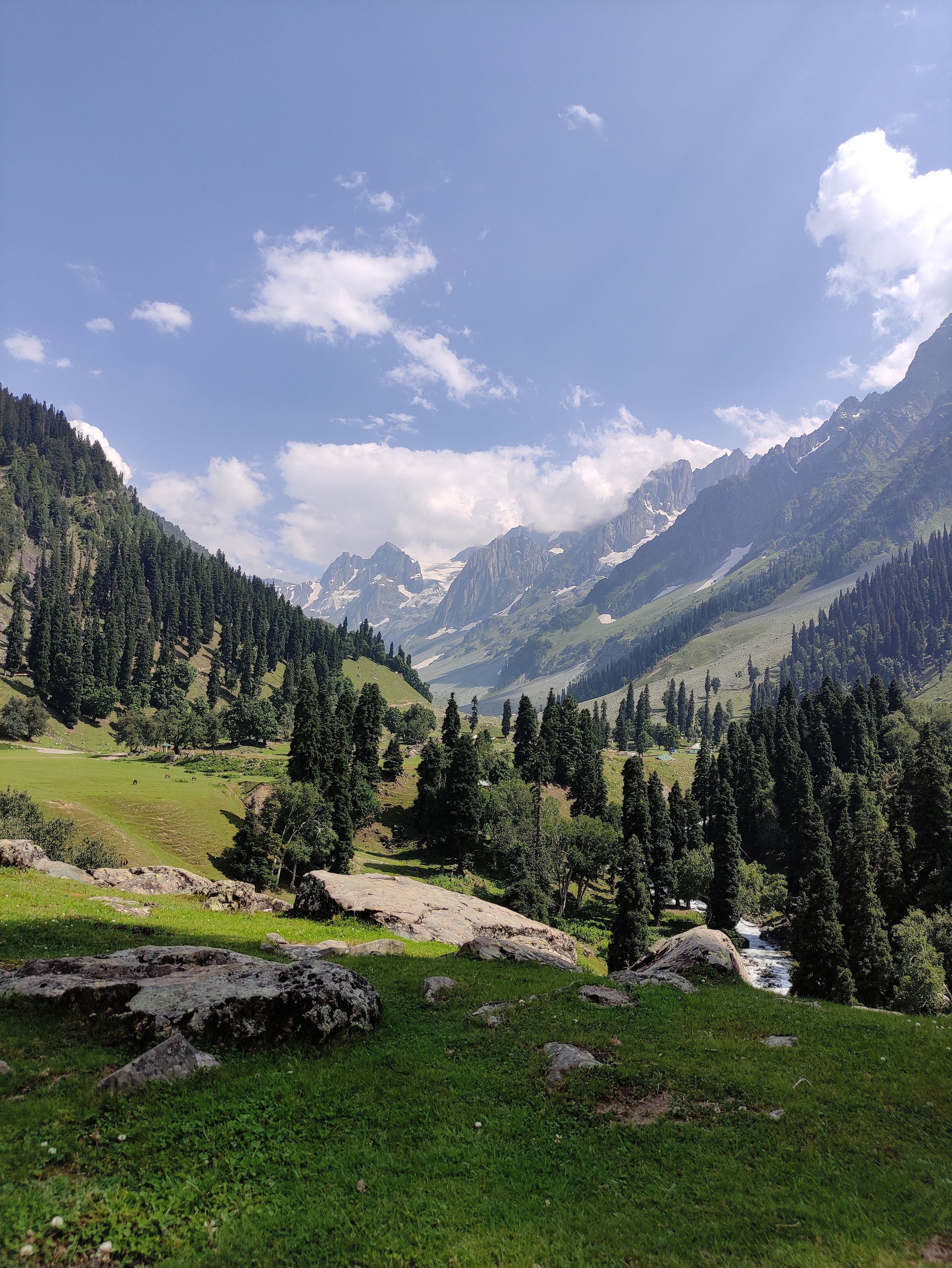
Best Places to Visit During Summer
Summer is an excellent time to explore Srinagar, Pahalgam, Sonmarg and Gulmarg, especially if your priorities include sightseeing, nature and outdoor activities. In Pahalgam, summer supports activities such as trekking, trout fishing and white-water rafting, while the surrounding valleys become lush and inviting. Srinagar is equally appealing because Dal Lake, the Mughal gardens, old-city architecture and local markets can comfortably fill several days. Sonmarg is another strong choice for travellers interested in mountain scenery and trekking, while Gulmarg offers cable-car views, trekking and other outdoor experiences. Instead of rushing between attractions, summer gives you a chance to slow down and actually experience the valley.
Kashmir During Monsoon: July to September
When people hear the word monsoon, they sometimes assume Kashmir should automatically be avoided. The reality is more nuanced. Kashmir does not necessarily deliver the same monsoon experience as many other parts of India, and summer landscapes can remain attractive during this period. The exact conditions vary from year to year, so travellers planning mountain excursions should always check the latest weather and road conditions before departure. For people who prefer a quieter atmosphere and do not require heavy snowfall or peak spring colours, this can be an interesting period to consider. The official India tourism guidance describes the country’s seasonal transition around this time as bringing pleasant temperatures and changing landscapes, although Kashmir’s higher-altitude weather can behave differently from the broader regional pattern.
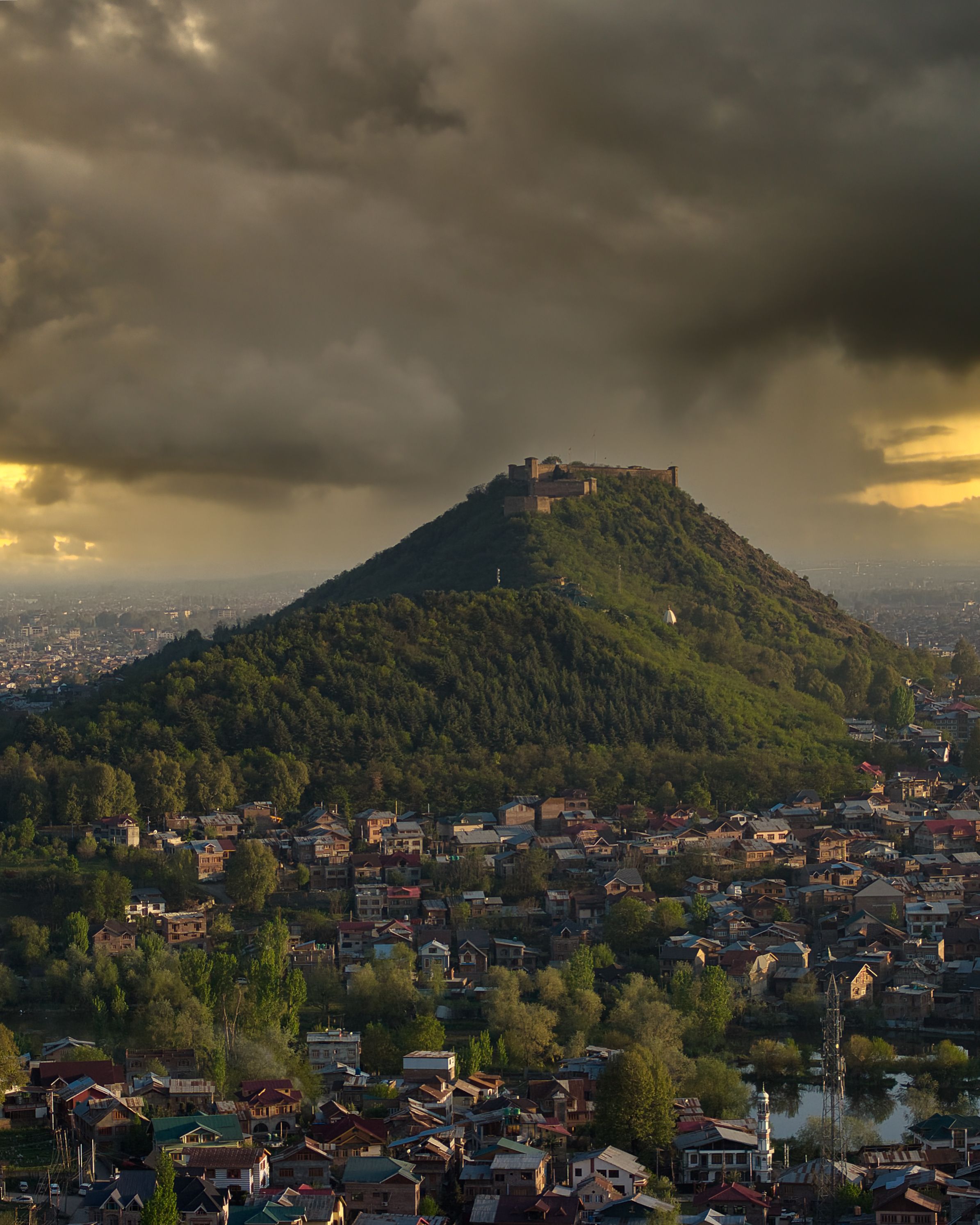
Kashmir in Autumn: October to November
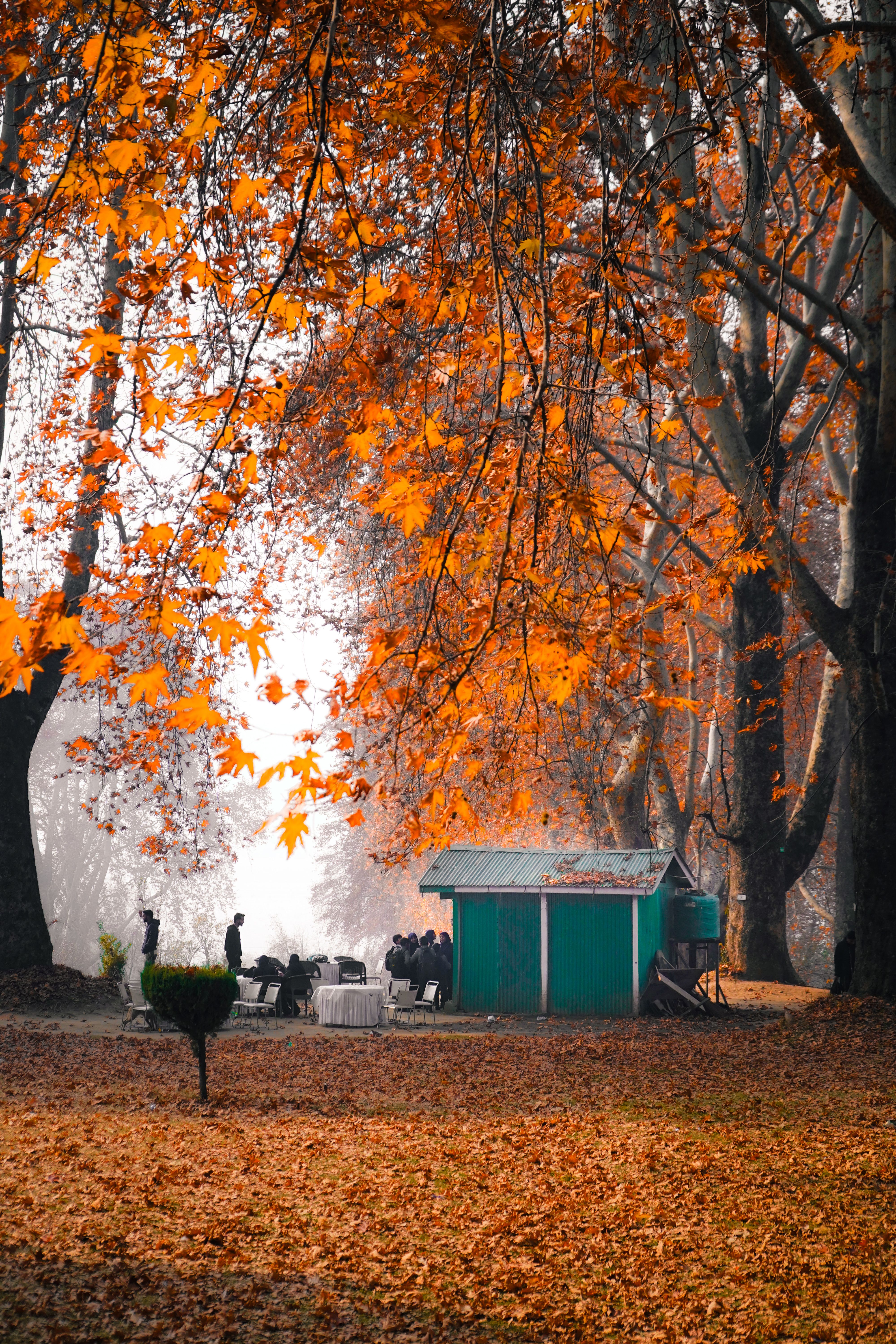
Autumn is arguably Kashmir’s most underrated season. As summer fades, the valley develops a completely different colour palette, with golden and amber tones replacing the bright greens of summer. The changing chinar leaves are one of the major visual highlights, particularly around Srinagar and its historic gardens. Incredible India describes Nishat Bagh as transforming during autumn, with chinar foliage taking on golden and amber shades. For photographers, couples and travellers searching for peaceful scenery, October can be particularly rewarding. You get the dramatic mountain backdrop, crisp air and beautiful foliage without needing to make your entire holiday about snow.
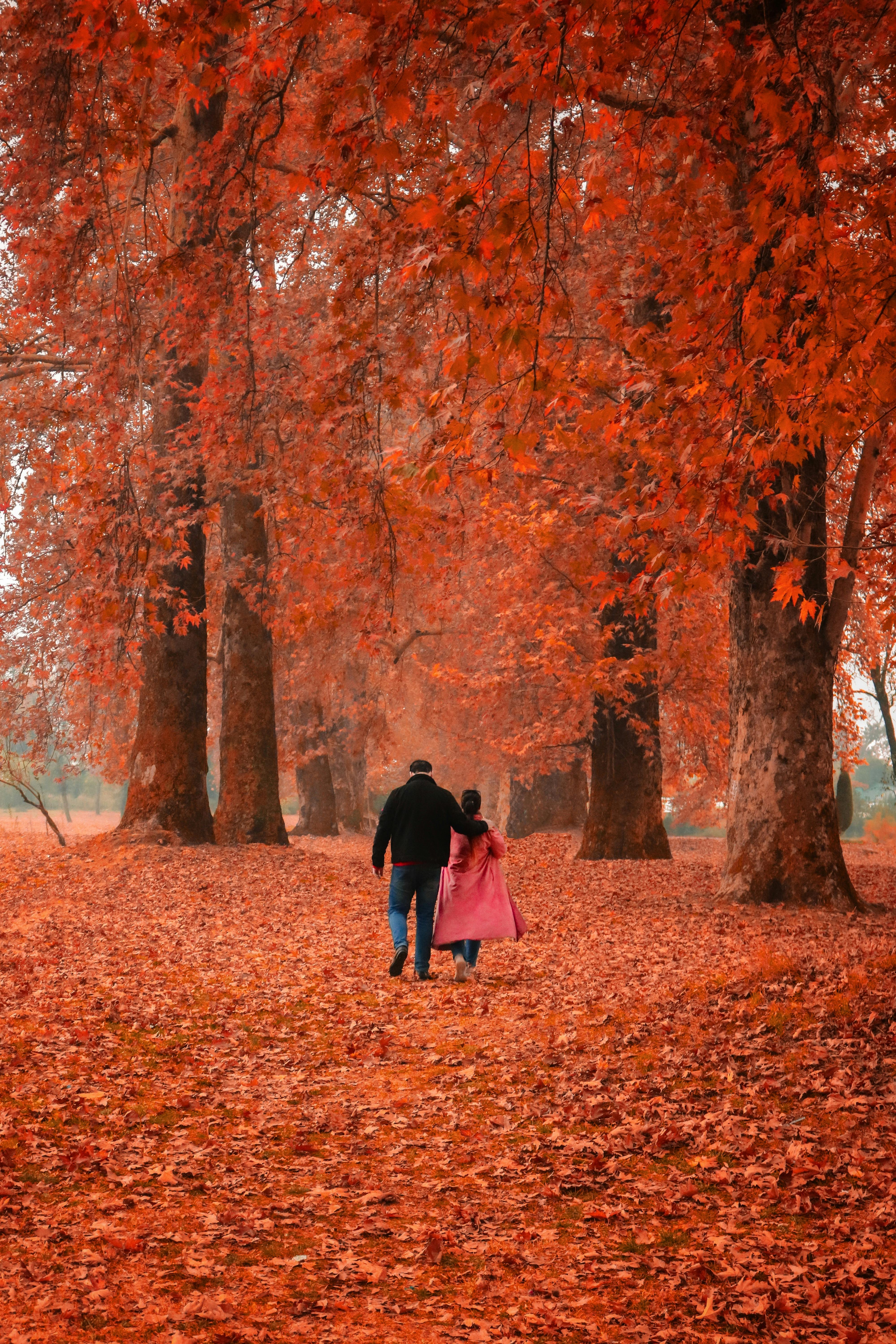
Why Autumn Is Perfect for Photography
Imagine standing beside Dal Lake early in the morning, with mountains behind you, calm water in front of you and golden leaves framing the scene. That is the visual appeal of autumn Kashmir. The season creates a warmer colour palette than spring, but it still retains the dramatic landscapes that make the valley famous. Srinagar’s Mughal gardens, including Nishat Bagh and Shalimar Bagh, become especially attractive as foliage changes colour. Autumn is also a good option for travellers who want a slower holiday focused on landscapes, local culture, photography and sightseeing rather than intense winter activities.
Kashmir in Winter: December to February
If your definition of a perfect Kashmir holiday includes snow-covered mountains, frozen landscapes and winter adventures, December to February is the season to look at. Winter transforms parts of the valley into a completely different world, particularly around Gulmarg and other higher-altitude areas. Incredible India describes October to March as a winter period in which Srinagar can experience very low temperatures, while Gulmarg becomes associated with skiing and snow experiences. India’s official tourism guidance also identifies December to February as the principal winter period in Himalayan destinations, when snow sports such as skiing and snowboarding become major attractions. Winter is beautiful, but it requires more preparation than the warmer seasons.

Best Time for Snowfall in Kashmir
For travellers asking specifically about the best time to see snowfall in Kashmir, winter is the obvious starting point, but snowfall is not something that can be guaranteed on a particular date. Higher-altitude areas such as Gulmarg are generally more reliable choices for snow experiences than lower areas. Gulmarg is particularly well known for skiing and its cable-car journey toward the higher mountain areas. If seeing snow is your top priority, plan your itinerary around destinations rather than relying only on Srinagar. Keep your schedule flexible because heavy snowfall can sometimes affect roads, transport and access to mountain destinations.
Best Time for Adventure Activities in Kashmir
Kashmir offers different adventures in different seasons, which is why there is no single answer for every traveller. Summer is particularly suitable for trekking, rafting, fishing and exploring green valleys, while winter shifts the focus toward skiing, snowboarding and other snow-based experiences. Official tourism information specifically highlights trekking, fishing and white-water rafting in Pahalgam during summer, while Gulmarg becomes a major winter destination for skiing. The smart approach is to choose the activity first and the month second. If you book a trip simply because someone says a particular month is “best,” you may end up visiting at the wrong time for the experience you actually want.
Kashmir Season Comparison
| Season | Months | Best For | Overall Experience |
|---|---|---|---|
| Spring | March–April | Flowers, gardens, photography | Colourful and fresh |
| Summer | May–June | Sightseeing, trekking, valleys | Green and comfortable |
| Monsoon/late summer | July–September | Quieter trips, greenery | Relaxed and changing |
| Autumn | October–November | Photography, foliage, couples | Golden and peaceful |
| Winter | December–February | Snow, skiing, winter experiences | Cold and magical |
The table gives you a simple starting point, but Kashmir’s weather is not controlled by a fixed calendar. Temperatures can vary significantly by altitude and location, and road accessibility can change during severe weather. Srinagar’s published monthly temperature ranges demonstrate how dramatically conditions can shift from winter to summer. That is why travellers should treat seasonal recommendations as planning guidance rather than guarantees. The most important question is always: What do you want your Kashmir trip to look and feel like?
What to Pack for Kashmir
Packing for Kashmir is all about layers because the temperature can change considerably between morning, afternoon and evening, particularly when you travel between Srinagar and higher-altitude destinations. For spring and autumn, carry warm layers, comfortable walking shoes, a light jacket and clothing that can be added or removed throughout the day. Summer generally requires lighter clothes for daytime sightseeing, but a warm layer is still useful for evenings and mountain areas. Winter requires considerably heavier clothing, including insulated jackets, thermal layers, gloves, woollen socks and appropriate footwear. The official tourism guide also recommends heavy woollens, sweaters and scarves for winter travel and advises travellers to carry suitable shoes for adventure activities.
Final Verdict: Which Month Should You Choose?
If you want one simple recommendation, April to June is one of the best overall periods to visit Kashmir for first-time travellers, particularly if your priority is comfortable sightseeing, greenery, gardens and exploring several destinations in one trip. April is especially attractive for flowers and spring scenery, while May and June are better suited to outdoor exploration and valley sightseeing. If you want golden landscapes and fewer conventional summer colours, consider October. If your dream is to wake up surrounded by snow and experience winter activities, choose the December to February period, with the understanding that mountain weather can affect accessibility. Ultimately, Kashmir does not really have one “best” season; it has a best season for you.

Conclusion
The best time to visit Kashmir depends entirely on the story you want your trip to tell. Visit in spring and you will find flowers, fresh greenery and colourful gardens; travel during summer and the valley becomes an inviting playground of green meadows, rivers and mountain adventures. Autumn brings golden chinar leaves and a quieter, more cinematic atmosphere, while winter turns destinations such as Gulmarg into snow-filled landscapes for winter lovers. Official tourism sources reinforce this seasonal diversity, describing Kashmir as a destination whose character changes throughout the year rather than one that belongs to a single travel season.
For a first Kashmir trip, April to June is the safest all-round recommendation, especially if you want to visit Srinagar, Pahalgam, Gulmarg and Sonmarg in one itinerary. For snow, choose winter; for autumn photography, choose October; and for flowers, target the spring season around April. Whatever month you select, check the latest weather, road and local travel conditions before leaving, particularly if your itinerary includes high-altitude areas. Kashmir is not simply a destination you tick off a list—it is a landscape that changes with the seasons, and choosing the right one can completely change the experience.
FAQs About the Best Time to Visit Kashmir
April to June is an excellent choice for first-time visitors because the weather is generally comfortable, the landscapes become green and many major sightseeing experiences are accessible. April is especially attractive for spring flowers, while May and June are useful for outdoor activities and valley exploration.
December to February is generally the preferred winter period for travellers looking for snow, particularly around higher-altitude destinations such as Gulmarg. However, snowfall timing and intensity can vary, so exact dates should not be treated as guaranteed.
December to February is generally the preferred winter period for travellers looking for snow, particularly around higher-altitude destinations such as Gulmarg. However, snowfall timing and intensity can vary, so exact dates should not be treated as guaranteed.
Yes. October can be an excellent month for Kashmir, especially if you enjoy autumn scenery and photography. Chinar trees and other vegetation begin taking on golden and amber shades, giving Srinagar and surrounding areas a distinctive autumn appearance.
It depends on your priorities. Summer is better for greenery, sightseeing, trekking and exploring valleys, while winter is better for snow, skiing and winter landscapes. Kashmir’s official tourism information highlights different activities across both seasons.
For a first visit, 6 to 8 days can provide enough time to experience major destinations such as Srinagar, Gulmarg, Pahalgam and Sonmarg without making the itinerary excessively rushed. If you want to explore less-visited areas or spend more time photographing and relaxing, a longer trip is worthwhile