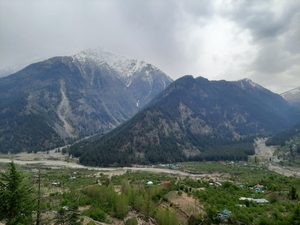
Discover India’s best-kept secrets beyond the crowded tourist destinations.
India is often associated with iconic destinations like the Taj Mahal, Goa, Jaipur, Manali, and Kerala. While these places deserve their fame, the country is also home to hundreds of untouched valleys, ancient villages, hidden islands, and pristine forests that remain unexplored by mainstream tourists. Recent tourism trends also show growing interest in community-based tourism and lesser-known destinations, as several Indian states actively promote offbeat travel experiences.
If you’re tired of crowded viewpoints, long queues, and commercialized attractions, this guide is for you. These hidden gems offer breathtaking scenery, authentic local culture, thrilling adventures, and unforgettable memories.
Why Explore Hidden Places in India?
Travel isn’t just about ticking famous landmarks off your bucket list. Sometimes, the most memorable journeys happen in places you’ve never heard of. Hidden destinations offer peaceful landscapes, authentic local experiences, cleaner surroundings, and opportunities to support local communities through sustainable tourism.
Many state tourism departments are now encouraging travelers to discover these lesser-known locations instead of concentrating only on famous attractions. This helps reduce overcrowding while creating economic opportunities for rural communities. Experts believe India’s next tourism boom will come from these emerging destinations and eco-tourism experiences.
1.Ziro Valley, Arunachal Pradesh

Why Visit Ziro Valley?
Nestled among lush green mountains, Ziro Valley is one of Northeast India’s most peaceful destinations. Famous for its rolling rice fields, pine forests, and the unique Apatani tribal culture, this UNESCO World Heritage tentative site offers a refreshing escape from city life. Unlike crowded hill stations, Ziro allows visitors to experience untouched nature and traditional lifestyles.
Whether you’re a photographer, solo traveler, or adventure enthusiast, Ziro provides endless opportunities to connect with nature. The valley is especially magical during sunrise when mist blankets the fields and distant mountains glow under golden light.
Top Attractions
- Talley Valley Wildlife Sanctuary
- Apatani Tribal Villages
- Pine Forest
- Ziro Music Festival Ground
- Kile Pakho View Point
Best Time to Visit
| Season | Temperature | Why Visit |
|---|---|---|
| March–October | 10°C–28°C | Pleasant weather, greenery, festivals |
Things to Do
- Trek through pine forests.
- Visit Apatani villages.
- Attend the Ziro Music Festival.
- Experience local cuisine.
- Capture stunning landscape photography.
2. Tirthan Valley, Himachal Pradesh
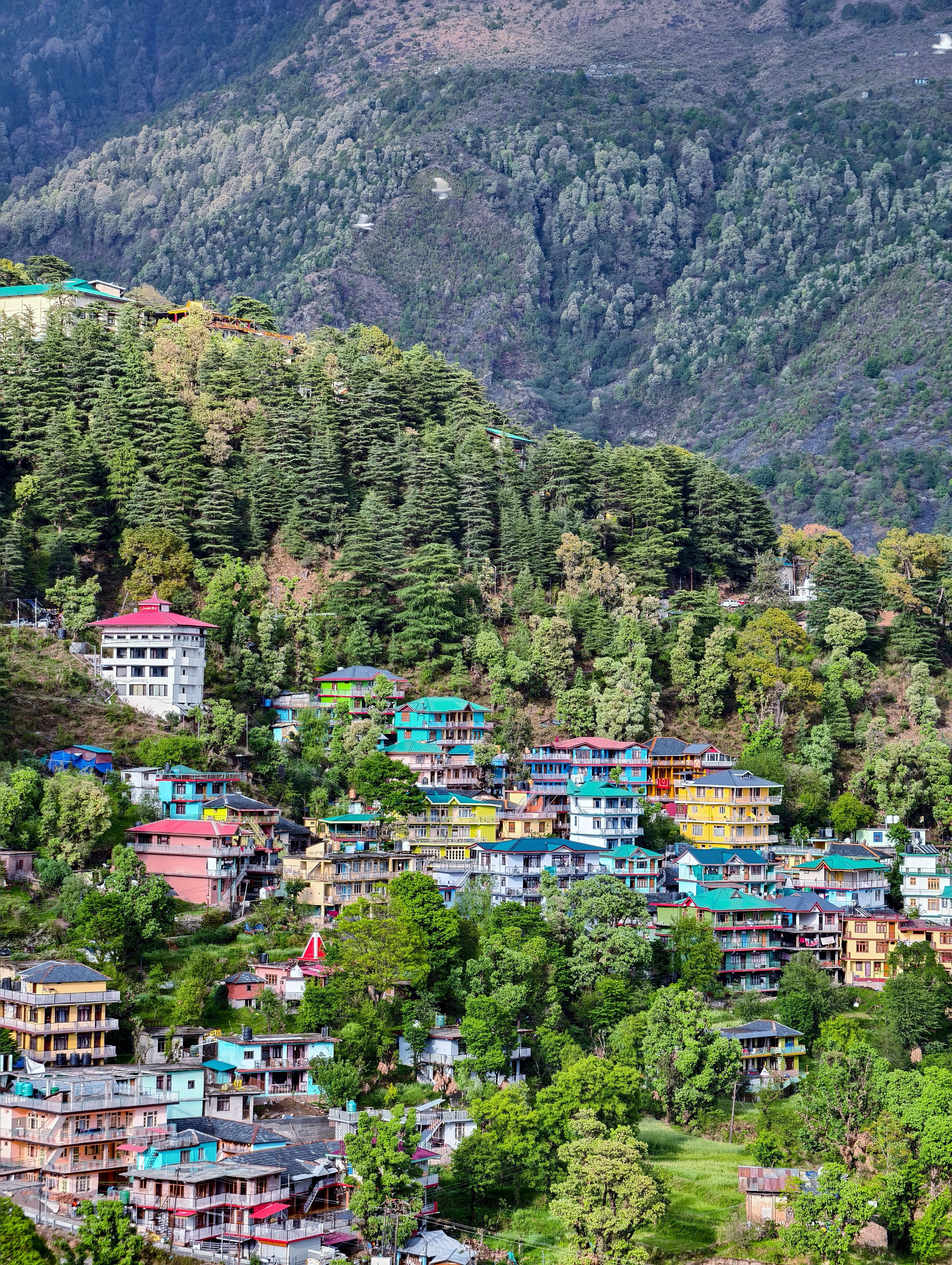
Why Visit Tirthan Valley?
If you dream of crystal-clear rivers, peaceful villages, and snow-capped mountains without the crowds of Manali or Shimla, Tirthan Valley is your ideal destination. Located near the Great Himalayan National Park, this hidden paradise is perfect for travelers seeking adventure and enjoy.
The valley gets its name from the Tirthan River, whose pristine waters are ideal for trout fishing and riverside camping. Travelers can enjoy scenic hikes, interact with welcoming locals, and relax in charming wooden homestays surrounded by apple orchards. Offbeat destinations like Tirthan continue to gain popularity among nature lovers looking for crowd-free experiences.
Top Attractions
- Great Himalayan National Park
- Jalori Pass
- Serolsar Lake
- Chehni Kothi
- River-side Camps
Things to Do
- Trout fishing
- Camping
- Nature walks
- Bird watching
- Trekking
- Local village exploration
Best Time to Visit
| Season | Temperature |
|---|---|
| March–June | 12°C–25°C |
| September–November | 10°C–20°C |
3. Majuli Island, Assam
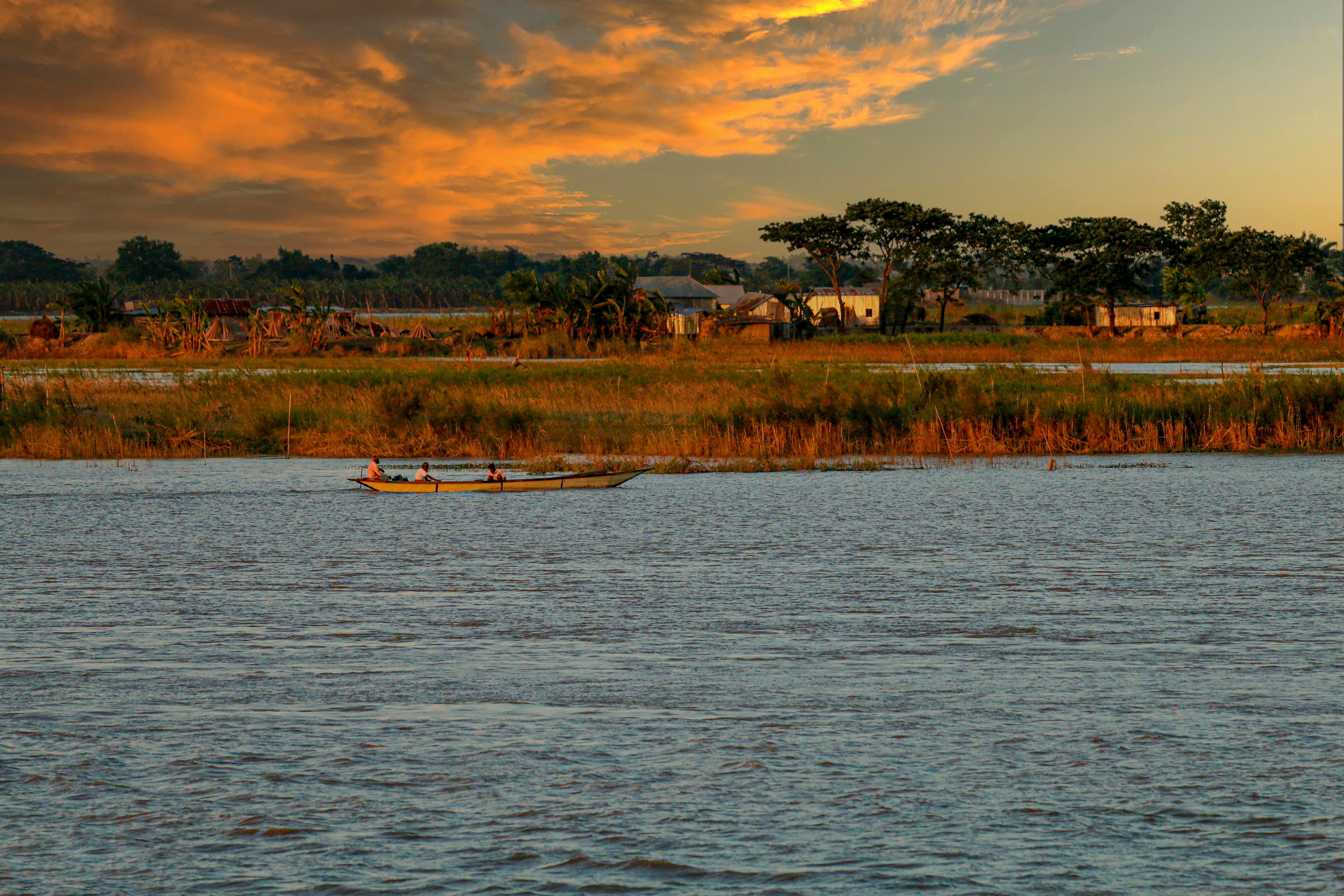
Why Visit Majuli?
Floating gracefully on the mighty Brahmaputra River, Majuli is the world’s largest inhabited river island and one of India’s most culturally rich destinations. Despite its historical and spiritual significance, Majuli remains surprisingly peaceful compared to many famous tourist spots.
The island is famous for its ancient monasteries called Satras, traditional mask-making villages, lush green landscapes, and warm Assamese hospitality. Every corner tells a story of art, culture, and devotion. Sunrise over the Brahmaputra is an unforgettable experience that makes every journey worthwhile.
Top Attractions
- Kamalabari Satra
- Auniati Satra
- Dakhinpat Satra
- Traditional Mask Villages
- Brahmaputra River Sunset
Things to Do
- Explore monasteries.
- Watch traditional dance performances.
- Try Assamese cuisine.
- Visit pottery villages.
- Enjoy birdwatching and cycling.
Best Time to Visit
| Season | Temperature |
|---|---|
| October–March | 15°C–28°C |
4. Chopta, Uttarakhand
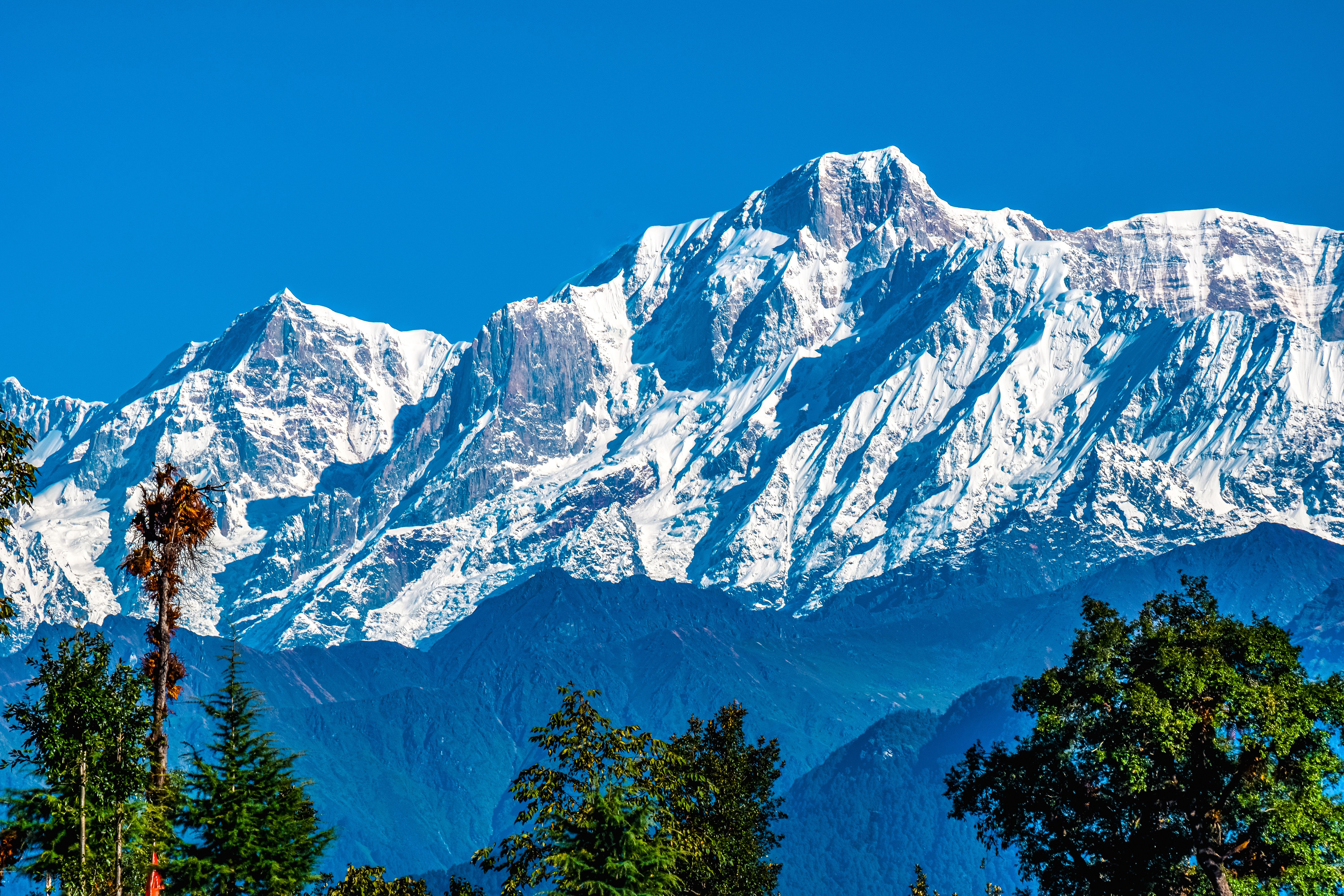
Why Visit Chopta?
Often referred to as the “Mini Switzerland of India,” Chopta is a breathtaking hill destination in Uttarakhand that remains relatively untouched compared to popular places like Mussoorie and Nainital. Surrounded by dense forests of pine, deodar, and rhododendron, this peaceful destination serves as the gateway to the famous Tungnath Temple, the highest Shiva temple in the world. Whether you’re a trekking enthusiast, a wildlife lover, or someone seeking a quiet mountain retreat, Chopta offers an unforgettable experience.
The region is home to rich biodiversity, making it an excellent destination for birdwatchers and photographers. During spring, the forests bloom with vibrant rhododendron flowers, while winters transform Chopta into a snowy wonderland. The clean air, panoramic Himalayan views, and serene atmosphere make it one of the best offbeat destinations in North India.
Top Attractions
- Tungnath Temple
- Chandrashila Summit
- Deoria Tal
- Kedarnath Wildlife Sanctuary
- Rohini Bugyal
Things to Do
- Trek to Tungnath and Chandrashila.
- Camp under the stars.
- Enjoy Himalayan photography.
- Birdwatch in nearby forests.
- Experience snowfall during winter.
Best Time to Visit
| Season | Temperature | Highlights |
|---|---|---|
| March–June | 8°C–22°C | Pleasant weather and trekking |
| September–November | 5°C–18°C | Clear mountain views |
| December–February | -5°C–10°C | Snowfall |
5. Gandikota, Andhra Pradesh
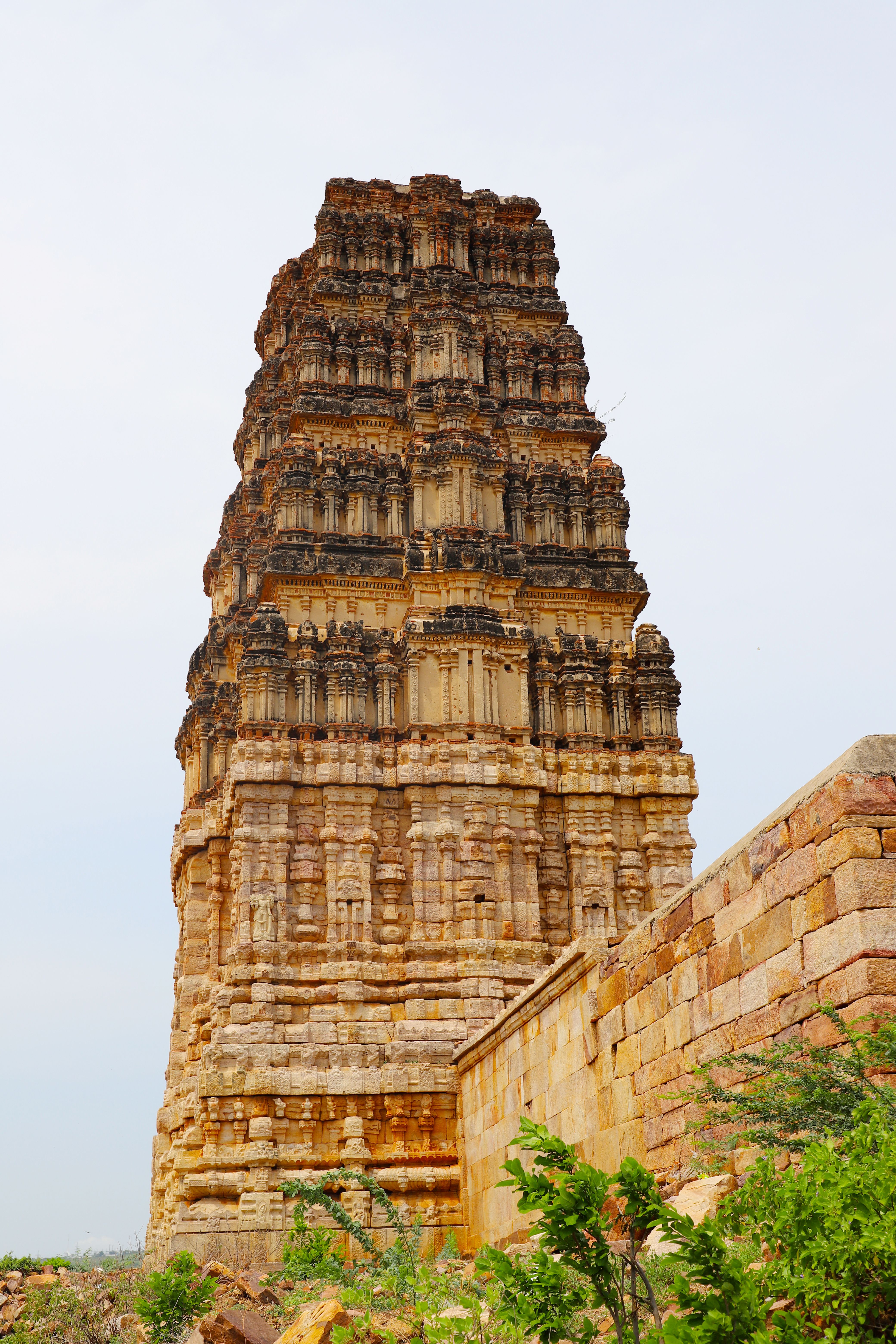
Why Visit Gandikota?
Known as the “Grand Canyon of India,” Gandikota is one of the country’s most spectacular hidden landscapes. Carved by the Pennar River over millions of years, its dramatic gorge is surrounded by ancient forts, temples, and rugged cliffs. Despite its incredible beauty, Gandikota remains far less crowded than many popular Indian destinations.
Adventure seekers can enjoy hiking, rock climbing, and camping, while history enthusiasts can explore the magnificent Gandikota Fort, built centuries ago. Watching the sunset from the canyon viewpoint is one of the most memorable experiences, as the golden light transforms the rocky landscape into a breathtaking panorama.
Top Attractions
- Gandikota Fort
- Pennar River Gorge
- Madhavaraya Temple
- Jamia Masjid
- Belum Caves (nearby)
Things to Do
- Canyon photography
- Camping
- Rock climbing
- Explore historical monuments
- Sunset viewing
6. Gurez Valley, Jammu & Kashmir
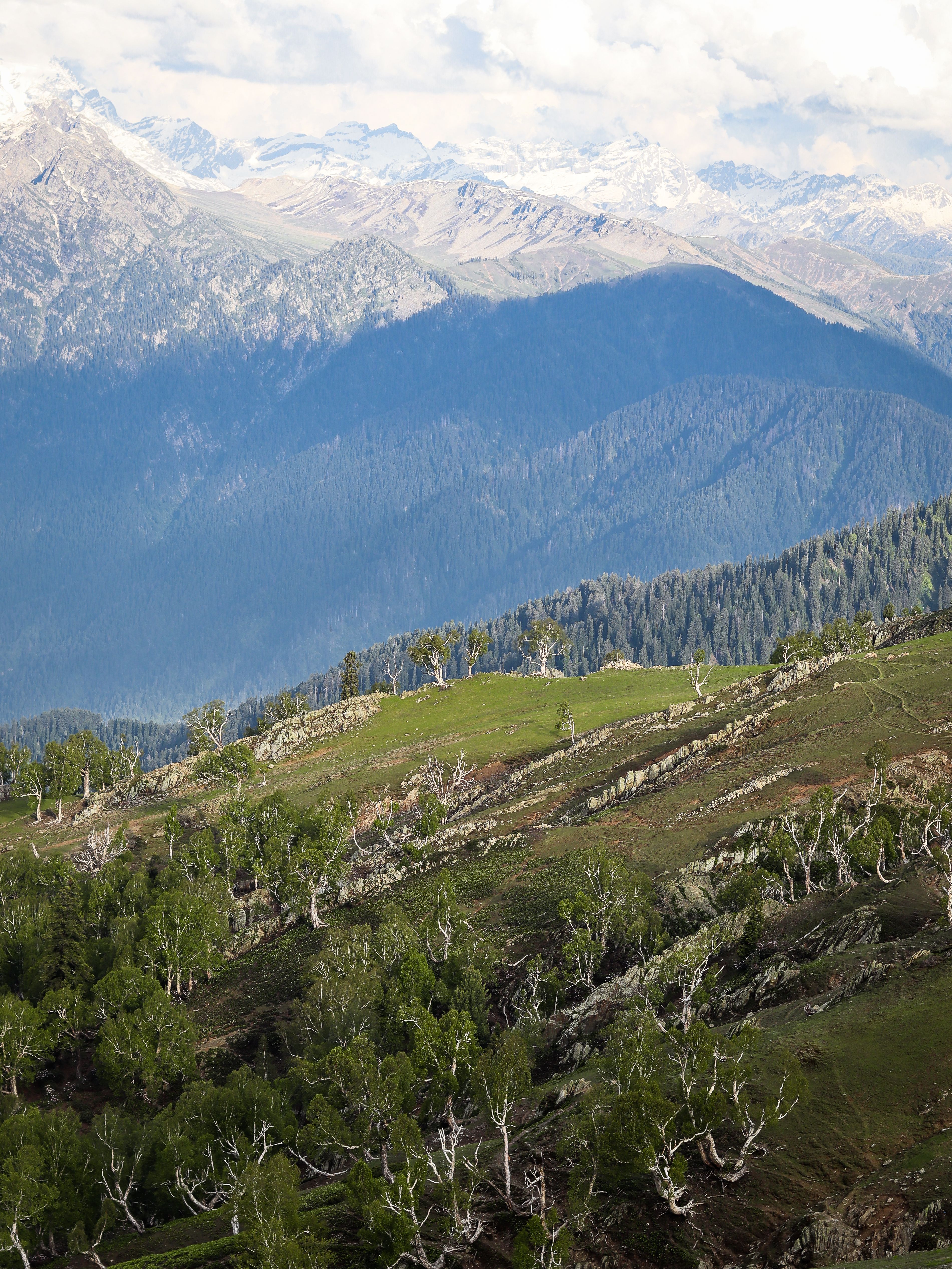
Why Visit Gurez Valley?
Hidden close to the Line of Control, Gurez Valley is among Kashmir’s most scenic and least-explored destinations. Surrounded by snow-covered mountains and crossed by the crystal-clear Kishanganga River, the valley offers breathtaking natural beauty away from commercial tourism.
Visitors can experience traditional wooden villages, interact with the hospitable Dard-Shina community, and admire the iconic Habba Khatoon Peak. During summer, the valley turns lush green with colorful wildflowers, while winter blankets the region in snow, creating postcard-perfect scenery.
Top Attractions
- Habba Khatoon Peak
- Kishanganga River
- Dawar Village
- Tulail Valley
- Razdan Pass
Things to Do
- Nature photography
- Village walks
- River sightseeing
- Trekking
- Cultural exploration
7. Dzukou Valley, Nagaland
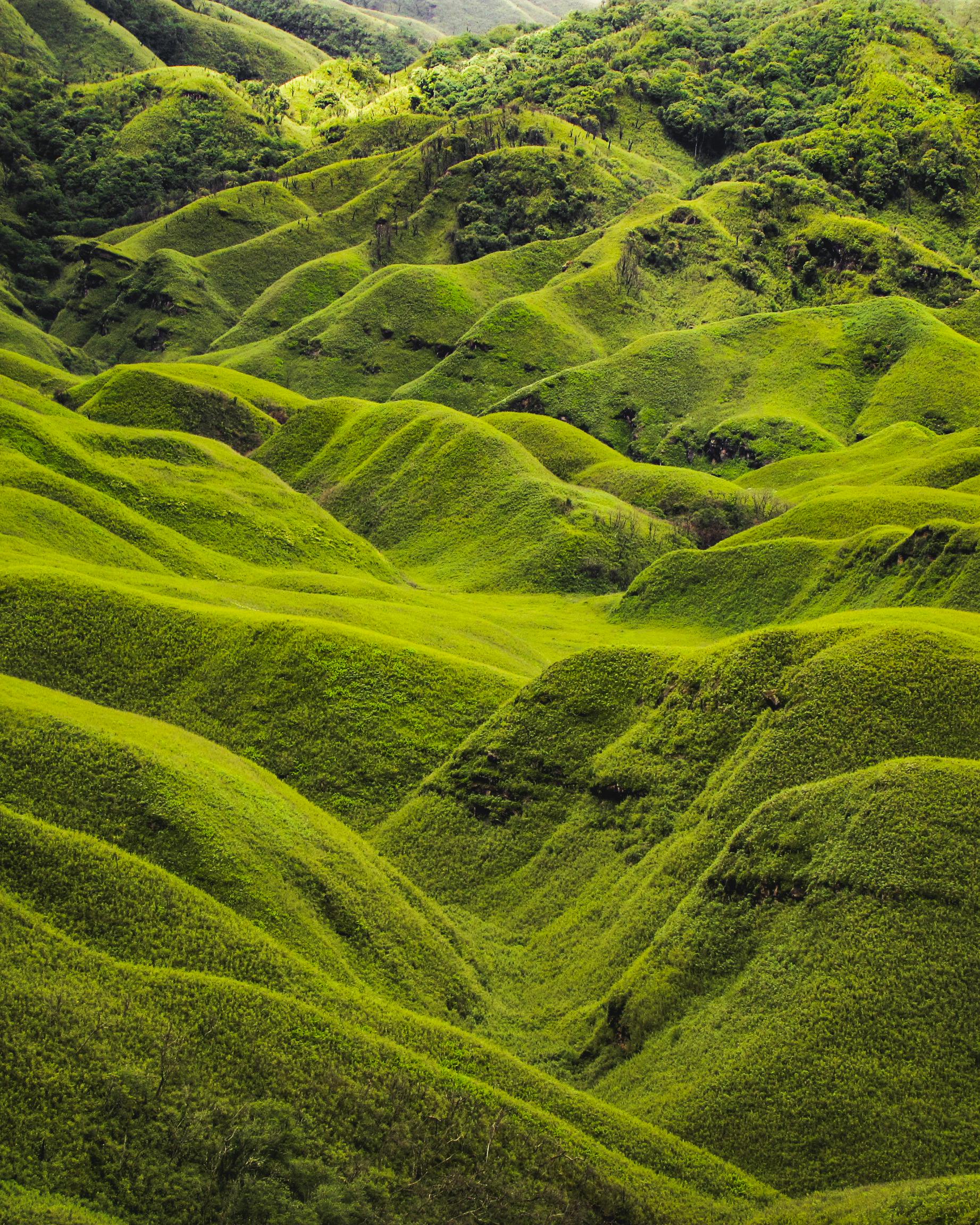
Why Visit Dzukou Valley?
Located on the border of Nagaland and Manipur, Dzukou Valley is one of India’s most beautiful trekking destinations. During the monsoon season, the valley transforms into a sea of colorful wildflowers, earning it the nickname “Valley of Flowers of the Northeast.”
The trek is moderately challenging, rewarding visitors with rolling green hills, crystal-clear streams, and spectacular sunrise views. Camping under a star-filled sky in Dzukou is an experience that every adventure lover should have at least once.
Top Attractions
- Dzukou Valley
- Japfu Peak
- Seasonal Flower Meadows
- Mountain Streams
Things to Do
- Trekking
- Camping
- Landscape photography
- Sunrise viewing
- Birdwatching
8. Chaukori, Uttarakhand
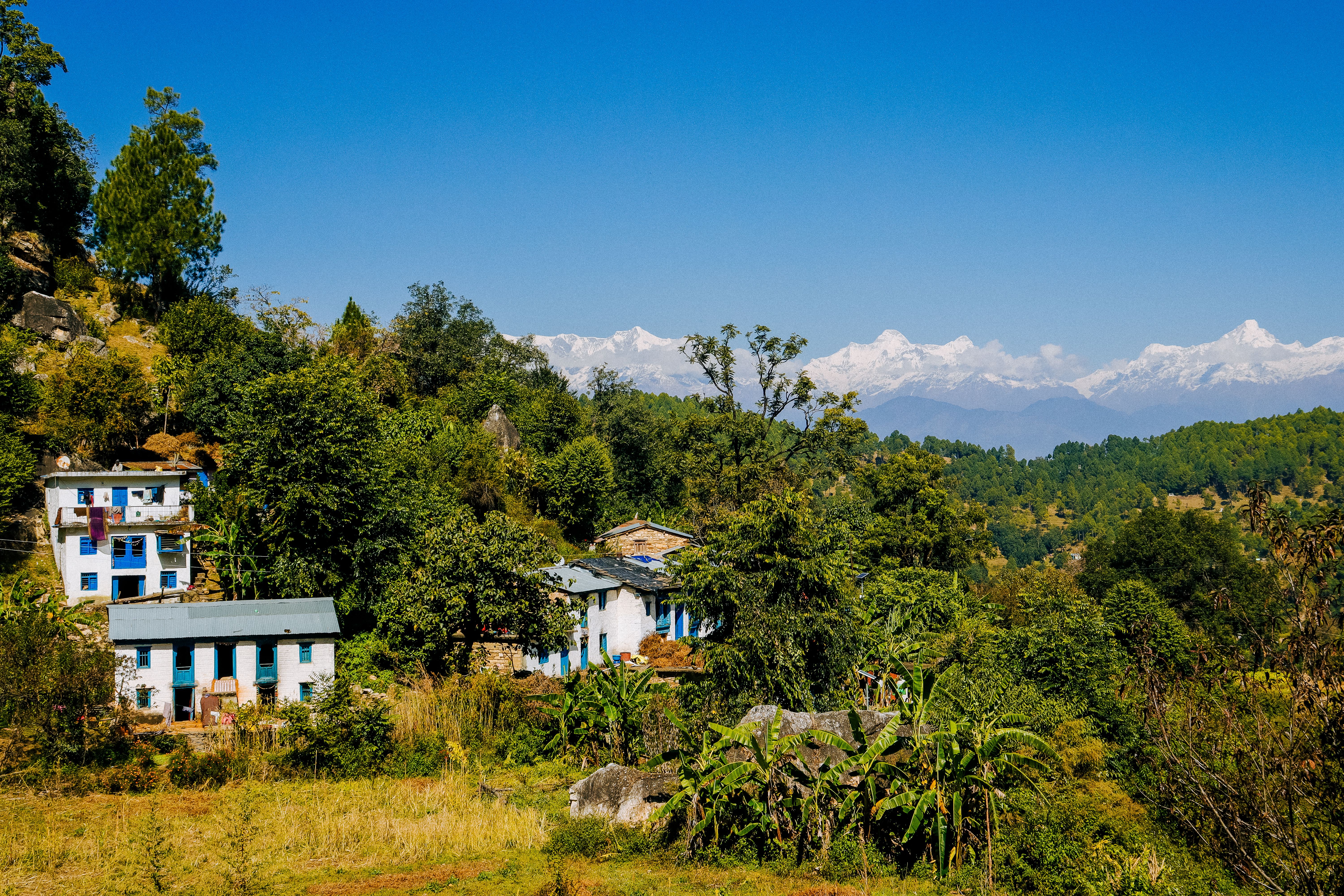
Why Visit Chaukori?
Chaukori is a peaceful Himalayan village famous for its panoramic views of the Nanda Devi, Panchachuli, and Trishul mountain ranges. Tea gardens, dense forests, and tranquil surroundings make it an ideal destination for couples, families, and solo travelers seeking relaxation.
Unlike crowded hill stations, Chaukori offers complete peace and spectacular sunrise views. Visitors can spend hours simply admiring the snow-covered peaks while enjoying the fresh mountain breeze.
Top Attractions
- Tea Gardens
- Nanda Devi Viewpoint
- Nag Temple
- Musk Deer Sanctuary
Things to Do
- Nature walks
- Photography
- Tea garden visits
- Sunrise viewing
9. Velas, Maharashtra
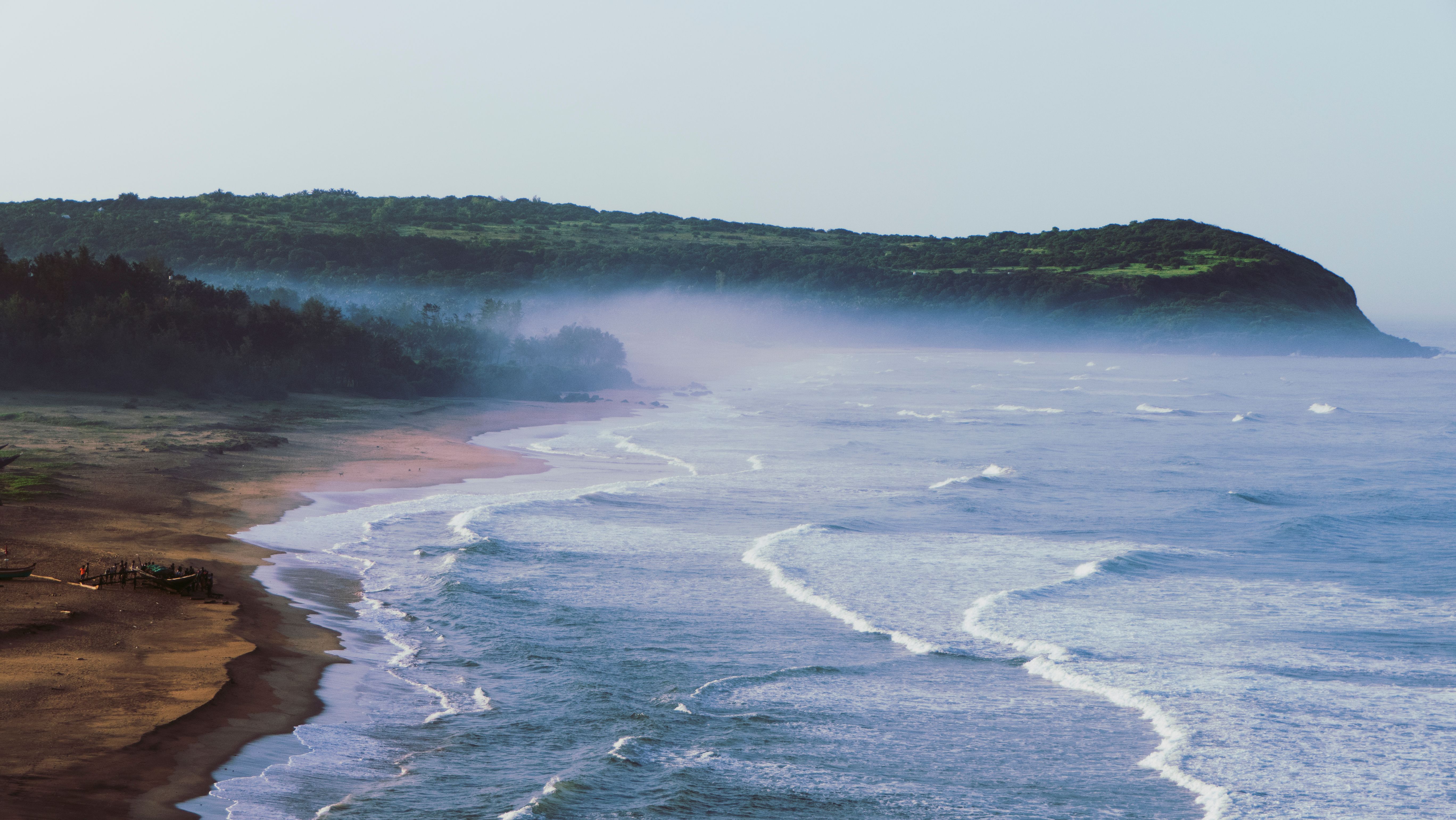
Why Visit Velas?
Velas is a small coastal village famous for its Olive Ridley Turtle Festival. Every year, thousands of baby turtles hatch and make their journey to the Arabian Sea, creating one of India’s most heartwarming wildlife experiences.
Apart from turtle conservation, visitors can enjoy peaceful beaches, traditional Konkan cuisine, and eco-tourism activities. Since tourism here focuses on conservation rather than commercialization, Velas offers a refreshing alternative to crowded beaches.
Top Attractions
- Velas Beach
- Turtle Conservation Centre
- Harihareshwar Beach (nearby)
Things to Do
- Turtle watching
- Beach walks
- Local food tasting
- Photography
10. Mawlynnong, Meghalaya
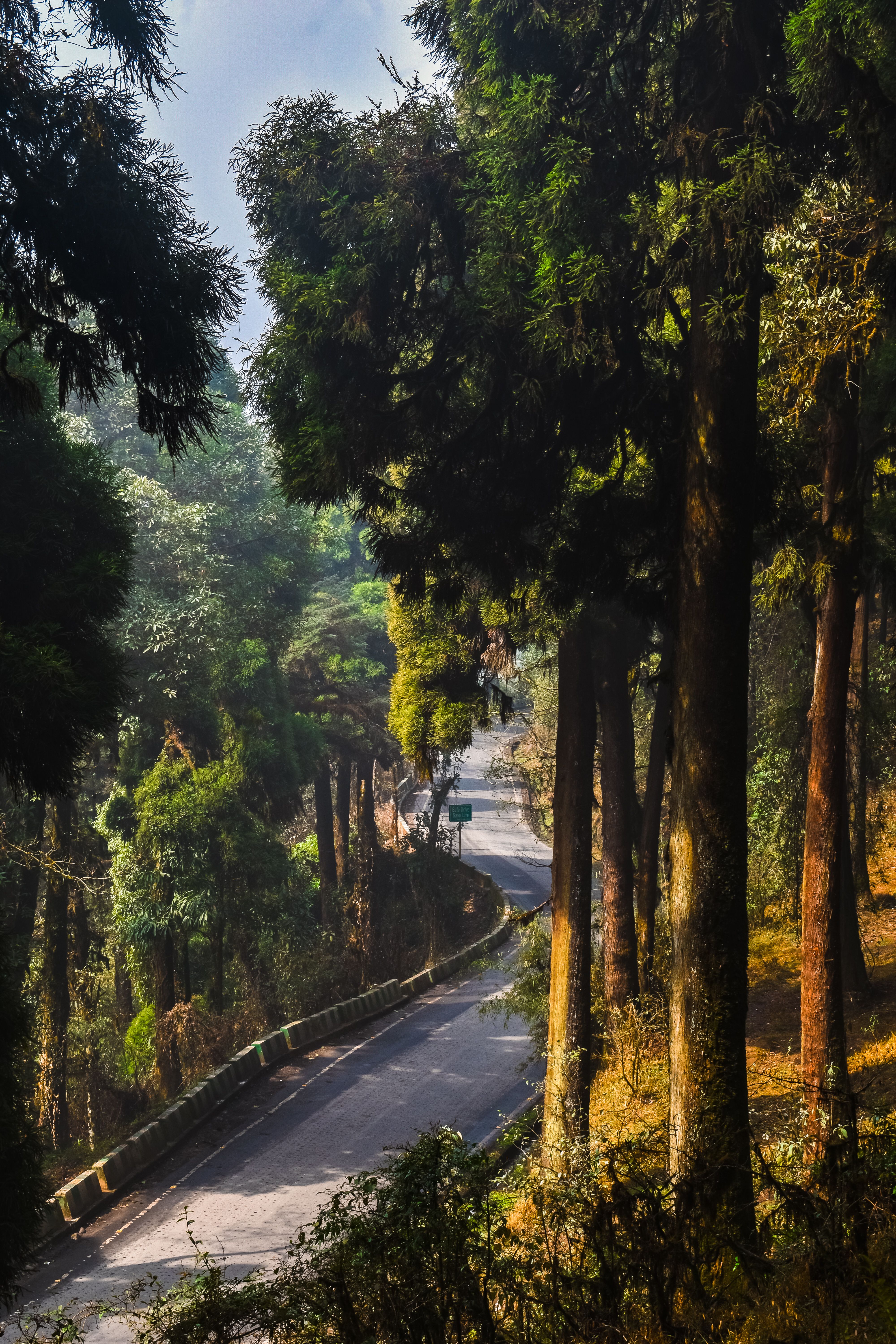
Why Visit Mawlynnong?
Recognized as Asia’s Cleanest Village, Mawlynnong showcases how community participation can create a beautiful and sustainable environment. The village is filled with flower-lined pathways, bamboo houses, and spotless streets that leave every visitor impressed.
The nearby Living Root Bridge and the Sky View Tower provide spectacular views of Bangladesh’s plains. Mawlynnong perfectly combines natural beauty, cultural richness, and responsible tourism, making it one of India’s most inspiring hidden destinations.
Top Attractions
- Living Root Bridge
- Sky View Tower
- Balancing Rock
- Village Gardens
Things to Do
- Village walks
- Nature photography
- Explore Living Root Bridges
- Experience Khasi culture
Travel Tips for Visiting Hidden Places in India
Exploring hidden destinations requires a little more preparation than visiting major tourist cities. Since many of these places are located in remote areas, it is advisable to book accommodations in advance, especially during peak travel seasons. Carry sufficient cash because digital payment facilities may not always be available in rural regions.
Always respect local customs, traditions, and environmental guidelines. Avoid littering, reduce plastic usage, and support local businesses by purchasing handmade products or staying in locally operated homestays. Packing comfortable trekking shoes, warm clothing, essential medicines, and a reusable water bottle will make your journey much smoother. Before traveling, check road conditions and weather forecasts, particularly during the monsoon and winter months.
Conclusion
India’s beauty extends far beyond its famous tourist attractions. Hidden valleys, untouched beaches, remote villages, and breathtaking canyons offer experiences that are often richer and more authentic than crowded destinations. Whether you choose the peaceful landscapes of Ziro Valley, the majestic cliffs of Gandikota, the pristine beauty of Gurez Valley, or the eco-friendly charm of Mawlynnong, every destination promises unforgettable memories and a deeper connection with nature and local culture.
As travelers increasingly seek meaningful and sustainable experiences, these hidden gems are becoming the future of Indian tourism. Pack your bags, step off the beaten path, and discover a side of India that many travelers have yet to explore.
Frequently Asked Questions (FAQs)
Ziro Valley, Gurez Valley, and Dzukou Valley are among the most beautiful hidden destinations due to their untouched landscapes, rich culture, and scenic mountain views.
Chopta, Dzukou Valley, and Tirthan Valley are excellent choices for trekking enthusiasts, offering trails suitable for both beginners and experienced hikers.
Most destinations are best visited between October and March or March and June, depending on the region and weather conditions.
Yes, most of these destinations are considered safe for solo travelers. It is advisable to research local conditions, share your itinerary with family or friends, and follow standard travel safety precautions.
Offbeat destinations provide peaceful surroundings, authentic cultural experiences, cleaner environments, lower crowd levels, and the opportunity to support local communities through sustainable tourism.